
Rodent Exterminator Serving Portland, OR and Vancouver, WA
A rodent infestation can cause trouble for both homeowners and business owners. Despite their small size, rats and mice are capable of causing significant property damage by chewing on essential structural components. Moreover, with some rodents carrying more than 35 different diseases and bloodborne pathogens, these pests pose a considerable threat to human health.
Given the extent of the damage that rats and mice can inflict, it’s crucial to address infestations promptly. However, rodents are incredibly resourceful creatures, able to squeeze through even the tiniest cracks. Rats can fit through a hole the size of a quarter, and mice can slip through spaces as small as a dime. Dealing with infestations can be challenging, which is why it’s essential for homeowners and business owners to seek help from experienced rat and mice exterminators like the professionals at Antworks. If you’re facing a rodent problem in the Vancouver-Portland Metro area, we’re here to help.
Contact us today to get started. We also have NO CONTRACTS!

Signs of a Rodent Infestation
Detecting a rat or mouse infestation in its early stages is crucial for preventing property damage and potential health risks. Therefore, it’s essential to be vigilant for signs of these pests.
Here are some key indicators of a rodent infestation to be on the lookout for:
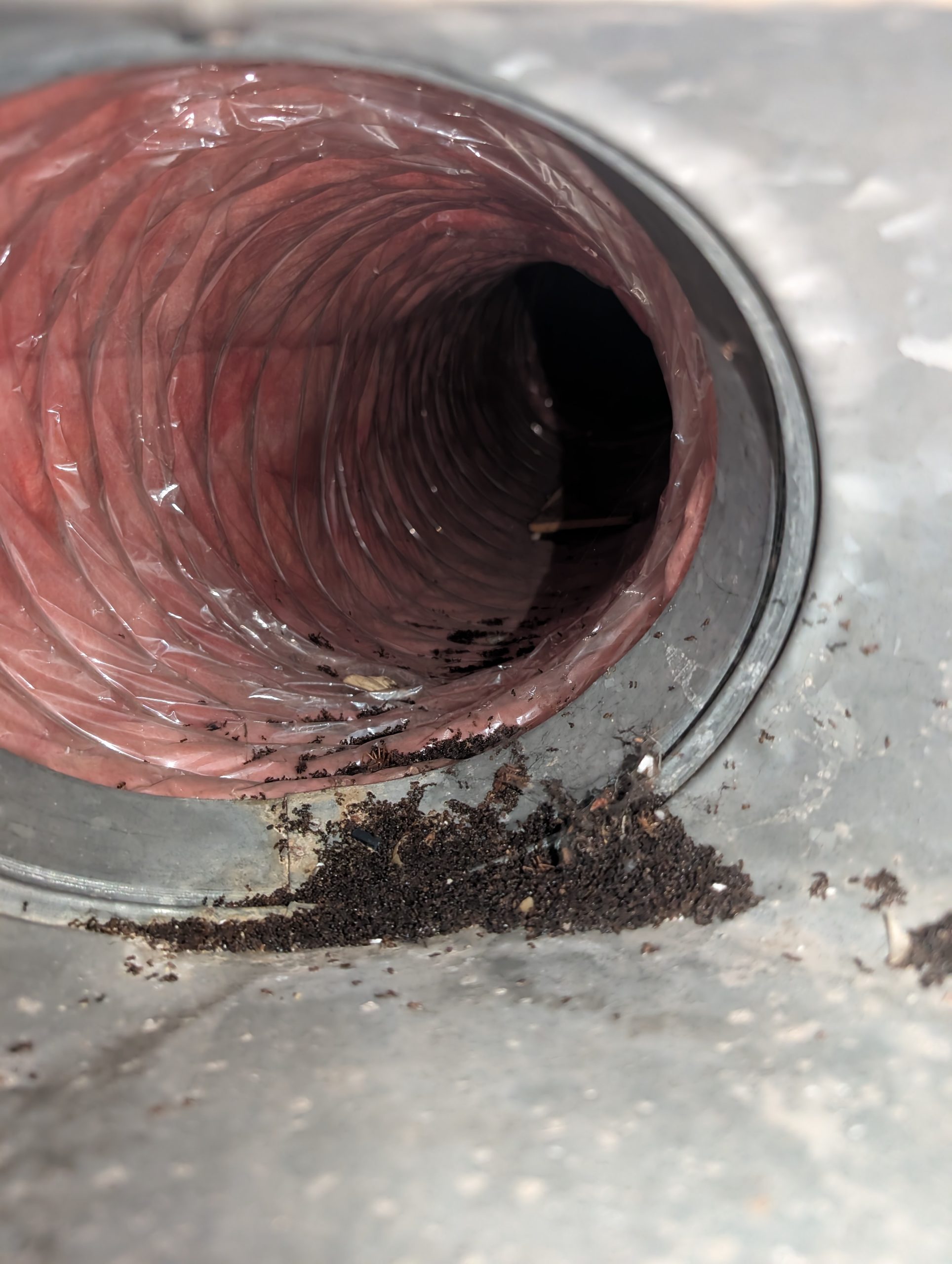
- Droppings throughout the house: Rodents often leave behind tiny droppings in areas such as kitchen cabinets, pantries, and drawers. Though both rat and mouse droppings are usually black in color, rat droppings are significantly larger. If you spot feces around your home, you are likely facing an infestation.
- Scratching noises in your walls or ceiling: Rats and mice can travel through small spaces, including within your walls. Scratching noises throughout your home could be a sign that rodents are infesting your property.
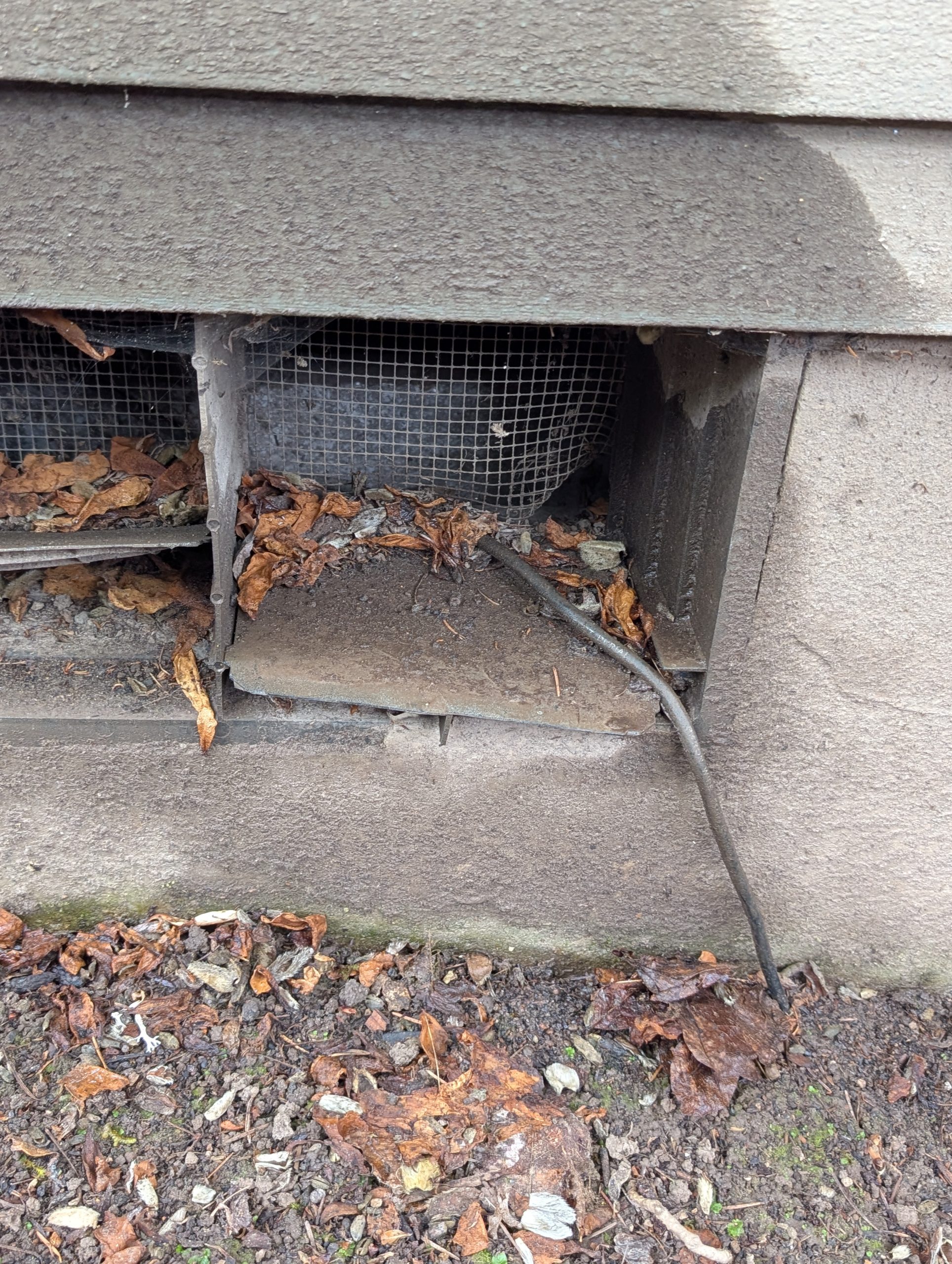
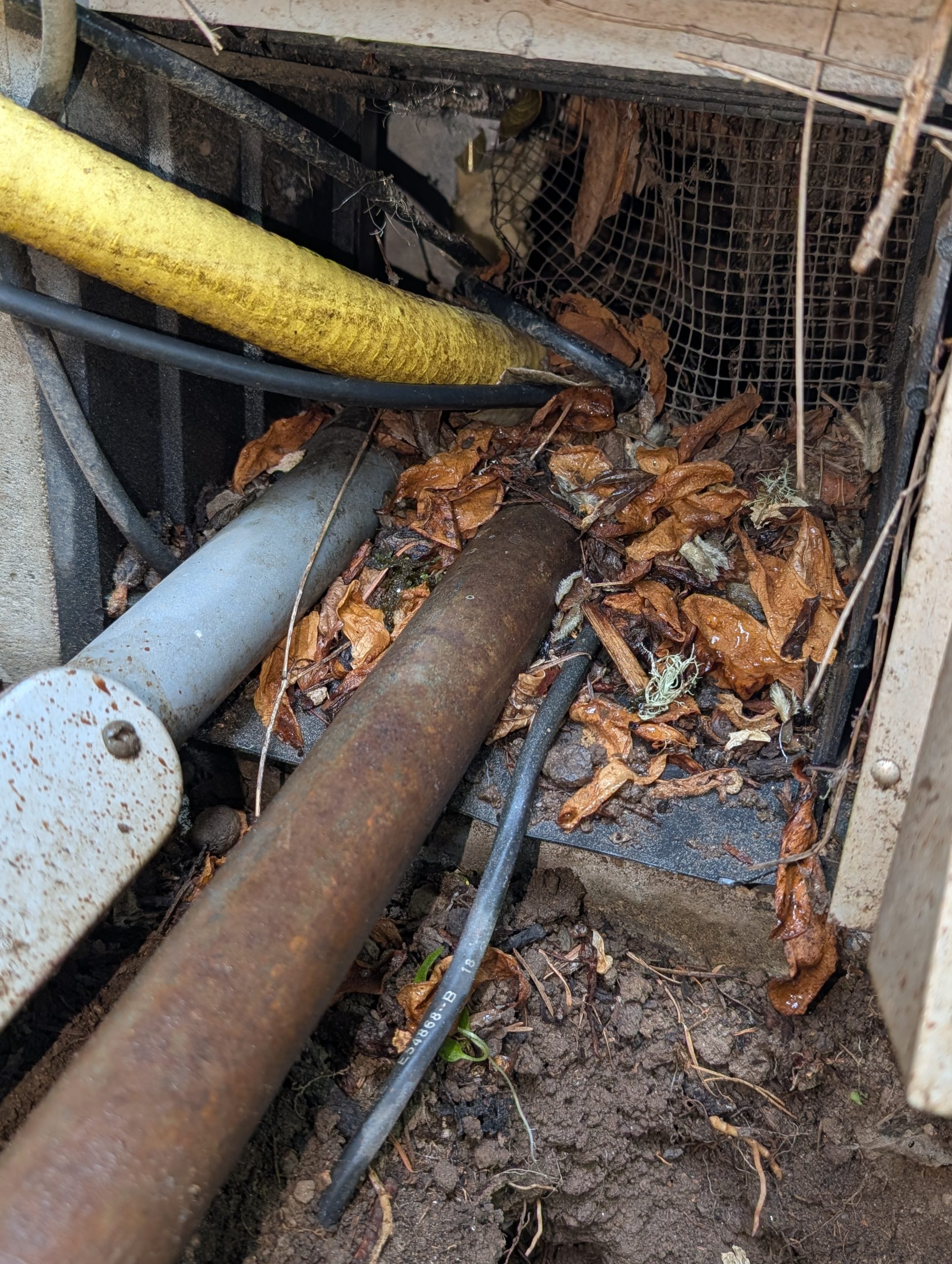
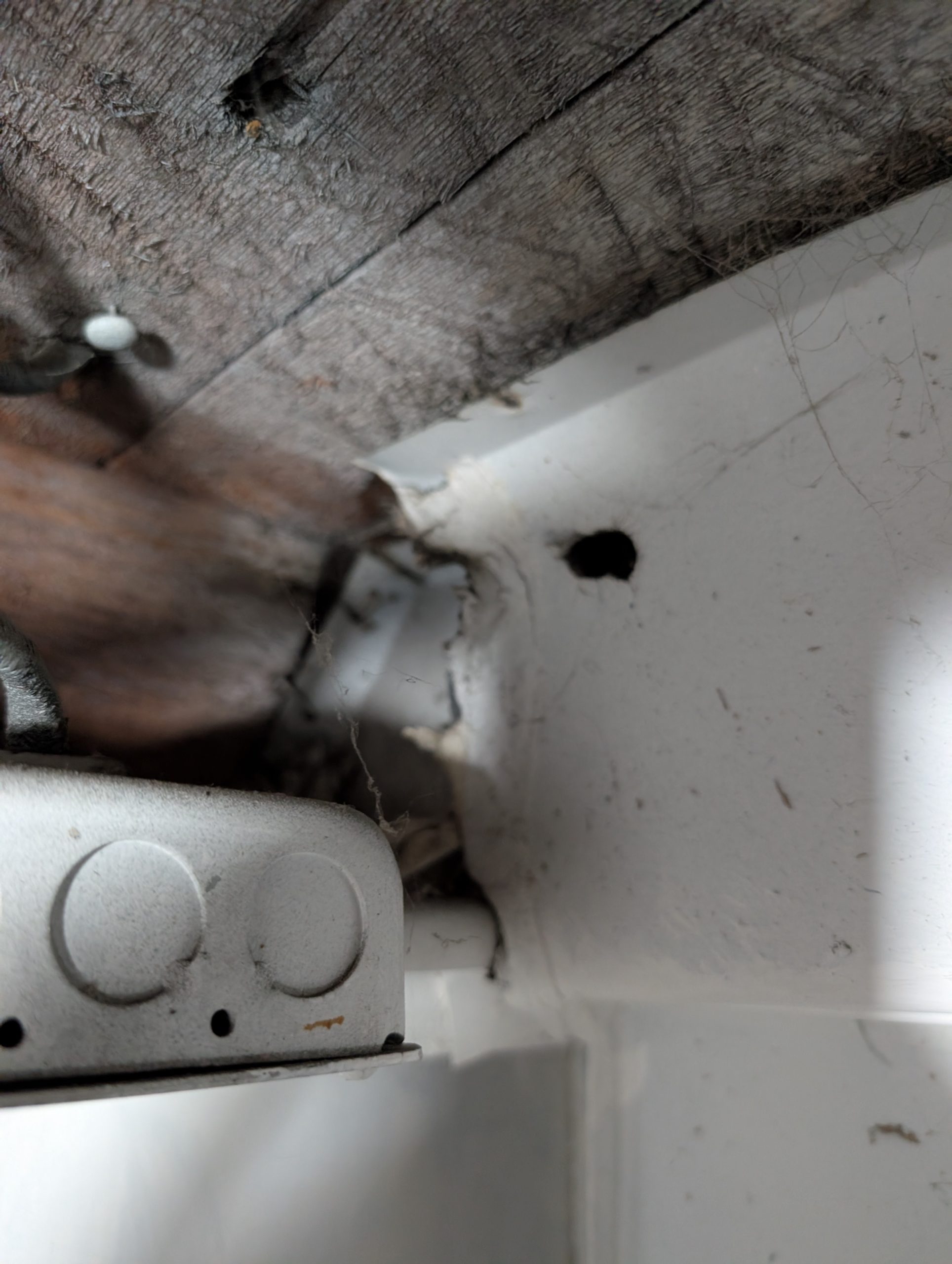
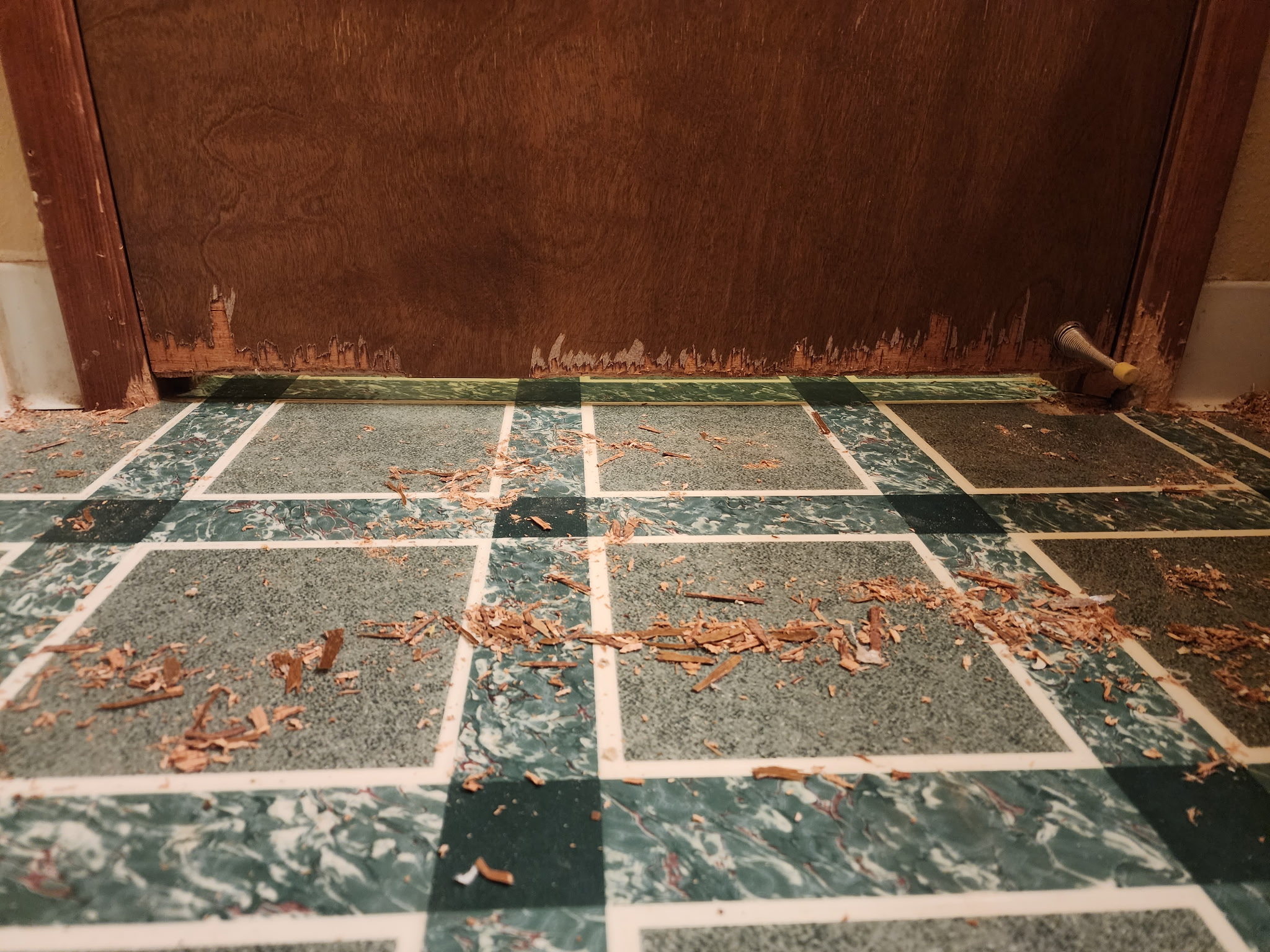
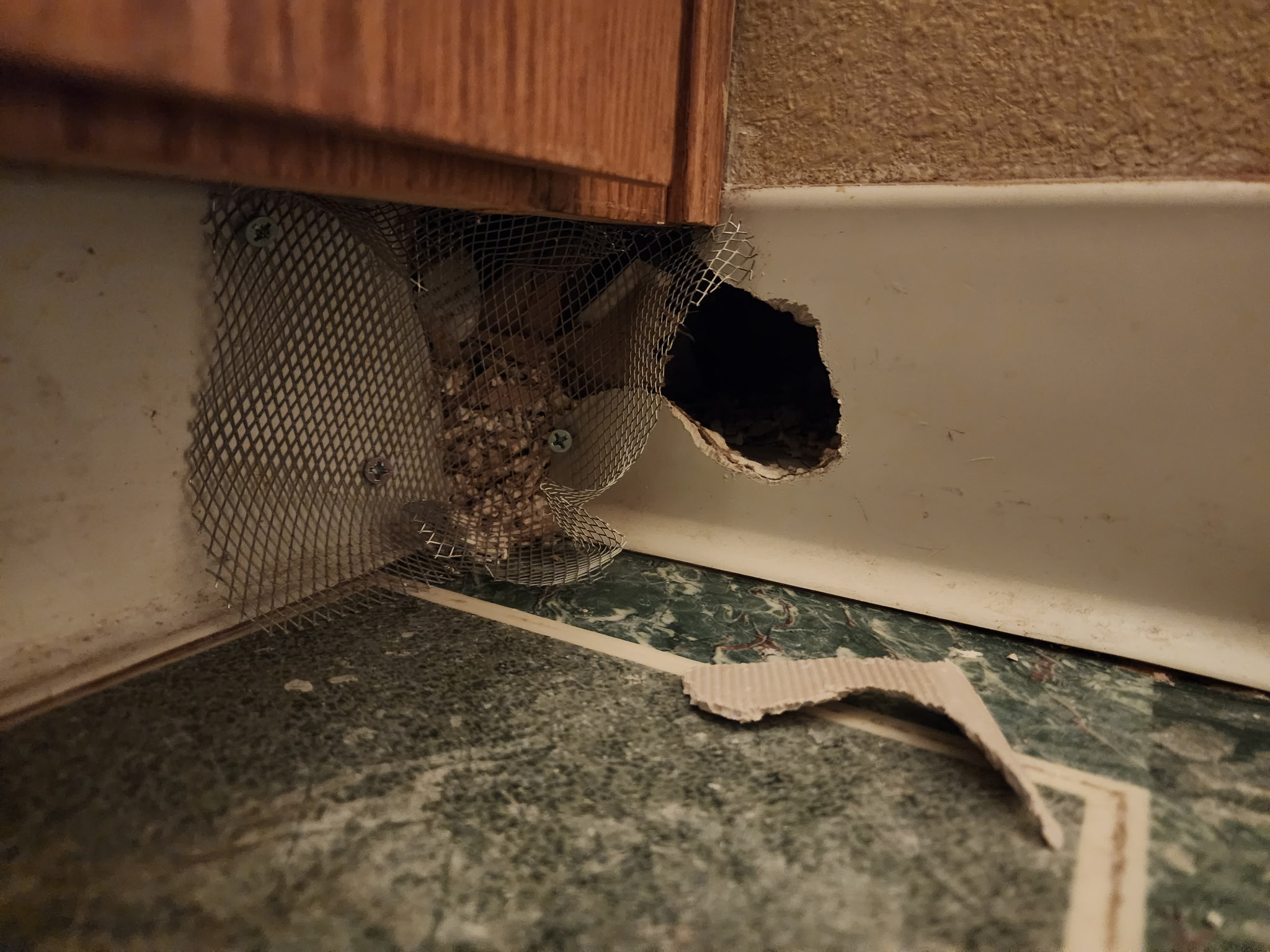
- Signs of chewing throughout your home: Rodents chew on various materials, both to help grind down their ever-growing teeth and to build nests. Either way, rats and mice can cause considerable damage to your property by chewing on all sorts of things – from electrical wires to wooden posts.



Common Rats and Mice in the Pacific Northwest
Understanding the various rodent species prevalent in the Pacific Northwest can greatly expedite the identification of infestations and enhance the effectiveness of safeguarding your space against these unwelcome intruders.
Norway Rats
What Are Norway Rats?

Norway rats are also known as the common rat, street rat, sewer rat, and wharf rat. They are among the largest rodent species in the PNW.
Norway rats are the largest rats that we encounter in the Pacific Northwest (they can weigh over one pound, more than twice as large as roof rats). They have shorter tails, which often appear to be two-toned from the rat’s partially haired skin. The Norway rat’s color can range from grayish brown to reddish brown and is usually darker in color than other rats.
Norway rats can reproduce year-round, but the highest reproduction rates generally occur in the fall. The Norway rat, like the roof rat, is perfectly adapted to city life in Portland; it will eat just about anything humans eat. They are gifted scavengers and will usually make their nests in or near the ground. They are frequently found in crawl spaces under homes. Because Norway rats are primarily active at night, many are not aware of their presence inside their homes until their numbers swell and that presence becomes more obvious.
How We Treat Norway Rats
- Activity assessment: Identify burrow sites, rub marks, gnaw damage, droppings, and travel routes along foundations, crawl spaces, garages, and lower levels where they like to nest and forage
- Exclusion and sanitation: Seal entry points around utility lines, vents, and structural gaps, and provide guidance on securing trash, pet food, and other attractants that support Norway Rat activity
- Targeted control: Strategically place bait and traps along active runways and nesting zones, with ongoing monitoring to ensure the population is fully eliminated
Roof Rats
What Are Roof Rats?
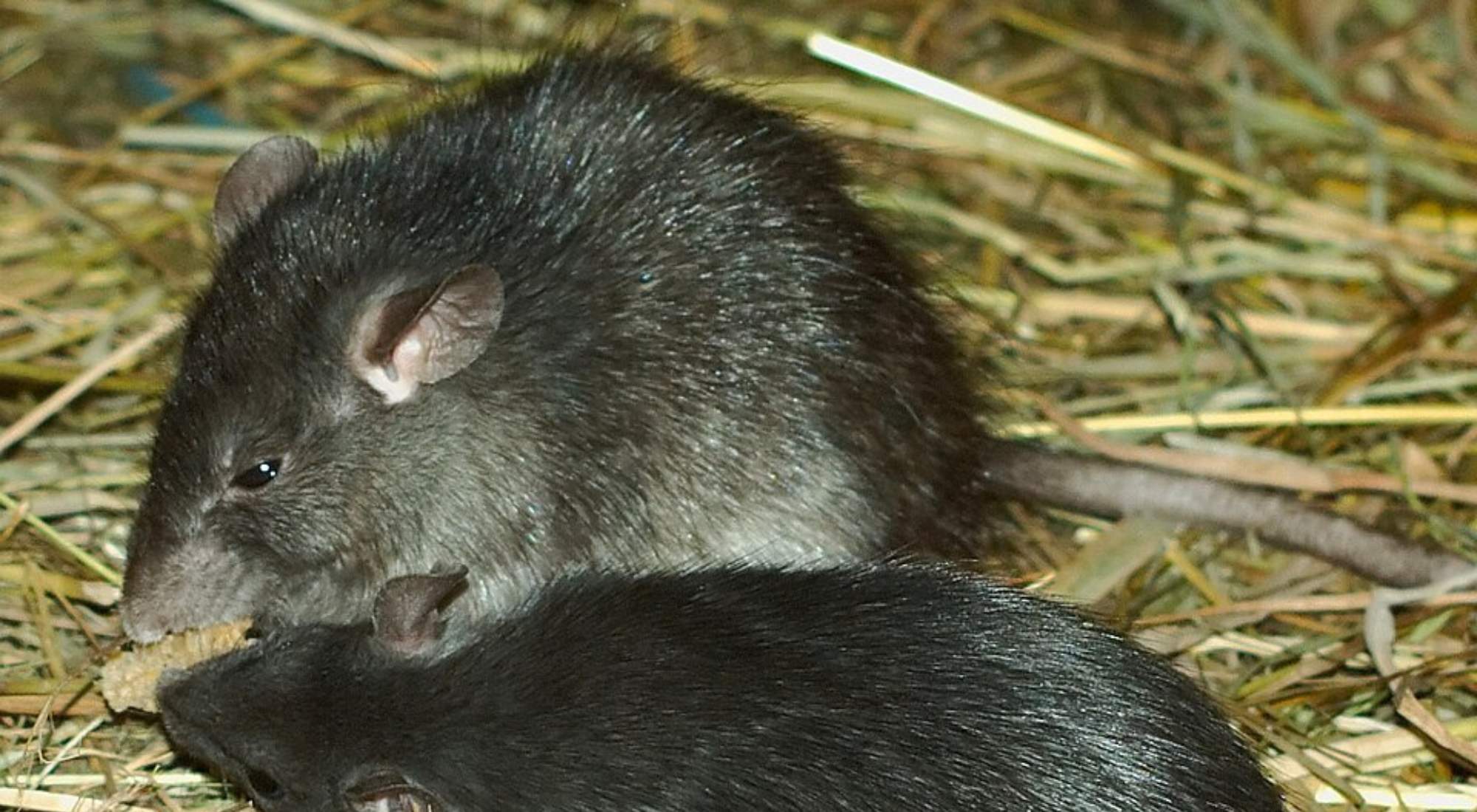
Compared with Norway Rats, roof rats boast a longer tail that aids them in scaling tall structures, hence their moniker. They also sport a pointier snout, longer ears, and lighter gray fur in contrast to their Norway rat counterparts.
How We Treat Roof Rats
- Behavior evaluation: Inspect attics, rooflines, trees, and upper structural areas for droppings, gnaw marks, nesting materials, and greasy rub trails along beams and rafters where roof rats commonly travel and nest
- Exclusion and habitat correction: Seal eaves, vents, roof gaps, and utility penetrations, and provide recommendations for trimming tree branches and securing food sources that attract roof rats
- Targeted removal: Place bait stations and traps in elevated runways and nesting zones, with routine monitoring to confirm the infestation is completely resolved
House Mice
What Are House Mice?
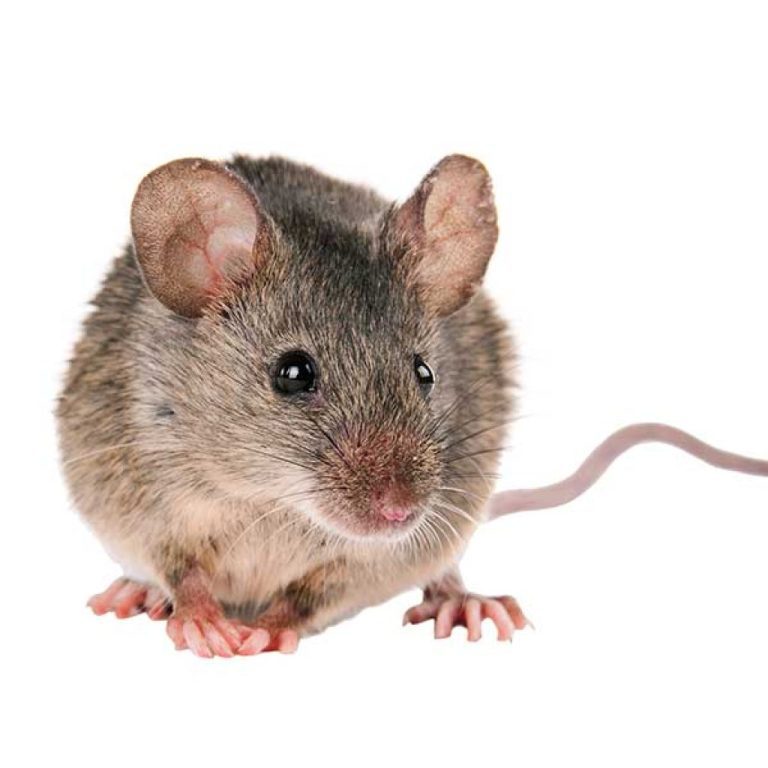
House mice can be almost as destructive to a home as Norway or roof rats, as they will chew on and contaminate different areas of the structure. House mice are much smaller proportionally than rats, particularly in the head and feet, and will continually excrete their waste as they move about. The house mouse has a light-colored belly, but their other skin and hair color can vary from light brown all the way to black.
House mice will also reproduce rapidly and are extremely mobile. Because of their smaller frames, house mice can fit into spaces as small as a dime. They will utilize power lines and foliage to gain access to attics and rooftops, and once within a house, will use pipe chases and interior wall voids to move from area to area. House mice will eat just about anything they come across, especially inside a residential environment.
How We Treat House Mice
- Activity inspection: Check for signs of house mice like droppings, gnaw marks, nesting materials, and grease trails along baseboards, inside cabinets, carriages, and wall voids where they like to hide and travel
- Exclusion and habitat correction: Close off small gaps around doors, utility lines, vents, and foundations, and reduce accessible food and clutter that attract mice indoors
- Targeted removal: Traps and professional control methods are strategically placed along areas where they like to hide and nest, and continue to monitor until the infestation is fully resolved
Deer Mouse
What Are Deer Mice?

Often encountered outdoors, deer mice may seek shelter indoors during cold weather. These mice are known for their agility, excelling in jumping and running, and are typically distinguished by their brown-to-gray fur, a white underbelly, large dark eyes, and a slender, bicolored tail.
Deer mice are usually nocturnal, agile climbers, and commonly nest in rural or wooded areas, sheds, and outbuildings where they can forage for seeds and insects.
How We Treat Deer Mice
- Site evaluation: Inspect cabins, sheds, garages, crawl spaces, and attic areas for droppings, shredded nesting material, chew damage, and entry points that deer mice use to access structures
- Exclusion and environmental adjustments: Seal off openings around foundations, vents, rooflines, and utility penetrations, and reduce seed sources, stored feed, and exterior harborage near the structure
- Strategic control: Place traps and professional control measures in nesting zones and along travel paths, and continuously monitor to ensure deer mouse activity is completely eliminated
Frequently Asked Questions About Rodents
Do Rats and Mice Carry Diseases?
Yes, they can transmit diseases directly (by exposure to rat-infected waste, urine, and bites) or indirectly (through ticks, mites, and fleas).
Common rodent diseases transmitted through direct contact:
- Hantavirus Pulmonary Syndrome
- Salmonellosis
- Rat-bite Fever
- Leptospirosis
Common rodent diseases transmitted through indirect contact:
- Plague
- Colorado Tick Fever
- Human Granulocytic Anaplasmosis
What Kind of Damage Can Rodents Cause to My Home?
Your home is your most valuable asset, so it’s important to keep it safe from destructive pests like rats and mice. Unfortunately, these pests don’t make things easy.
Here are some of the main ways that rodents can cause damage to your home:
- Structural damage to sheetrock, wood, and furniture
- Electrical damage and fire hazards from chewing on electrical wires
- Damage to your home’s systems, like AC units and air ducts
- Destruction of personal belongings like valuables, books, and clothes
Do I Need To Leave My Home During Rodent Treatment?
Only if you want to. All of our treatments at Antworks meet safety guidelines for people, children, and pets, so disruption to your daily routine is minimal.
If I Have a Business That Has Rodents Can You Treat It Without Customers Knowing?
Absolutely. We know how important it is to your reputation to keep any infestations private. We can come to your home or business and treat all rodent problems with complete discretion.
Why Call a Professional Rodent Exterminator?
Your Local Rodent Control & Removal Service Providers
Each home and business is different, which is why it’s so important to have a personalized rodent control plan.
To meet your individual needs, the expert rodent exterminators at Antworks Pest Control are prepared to provide a thorough inspection and a tailored plan to address your specific problems.
Whether you need one-time rodent treatment or an ongoing plan of attack, Antworks pest control offers the solutions you need!
Call us today to speak to one of our professionals in a no-cost, no-obligation consultation. We are here to answer all of your questions and put an end to your rodent infestation once and for all.
Pest Control Serving the Pacific Northwest
Family-owned pest control company for homes and businesses across Portland, Vancouver, and surrounding Pacific Northwest communities. No required contracts. Long-lasting results.