
Antworks pest control is a spider exterminator serving the greater Portland-Vancouver area for over 20 years. Spiders find their way into homes and businesses through cracks in the foundation, tears in screen doors, and gaps between windows and window frames.
They set up house in a property by spinning webs in corners of rooms and structures, building nests, and laying eggs. Although spiders are great for ridding a property of other types of pests, such as flies, they’re not the type of guest people want hanging around at any given time.
If you have several spiders lurking about in your home or business, contact your local spider exterminators, Antworks! We have years of experience with spider control, from giant house spiders to orb weavers and everything in between. We’ll take care of your spider problem, quickly, safely, and effectively.
And with us, you don’t have to worry about contracts!
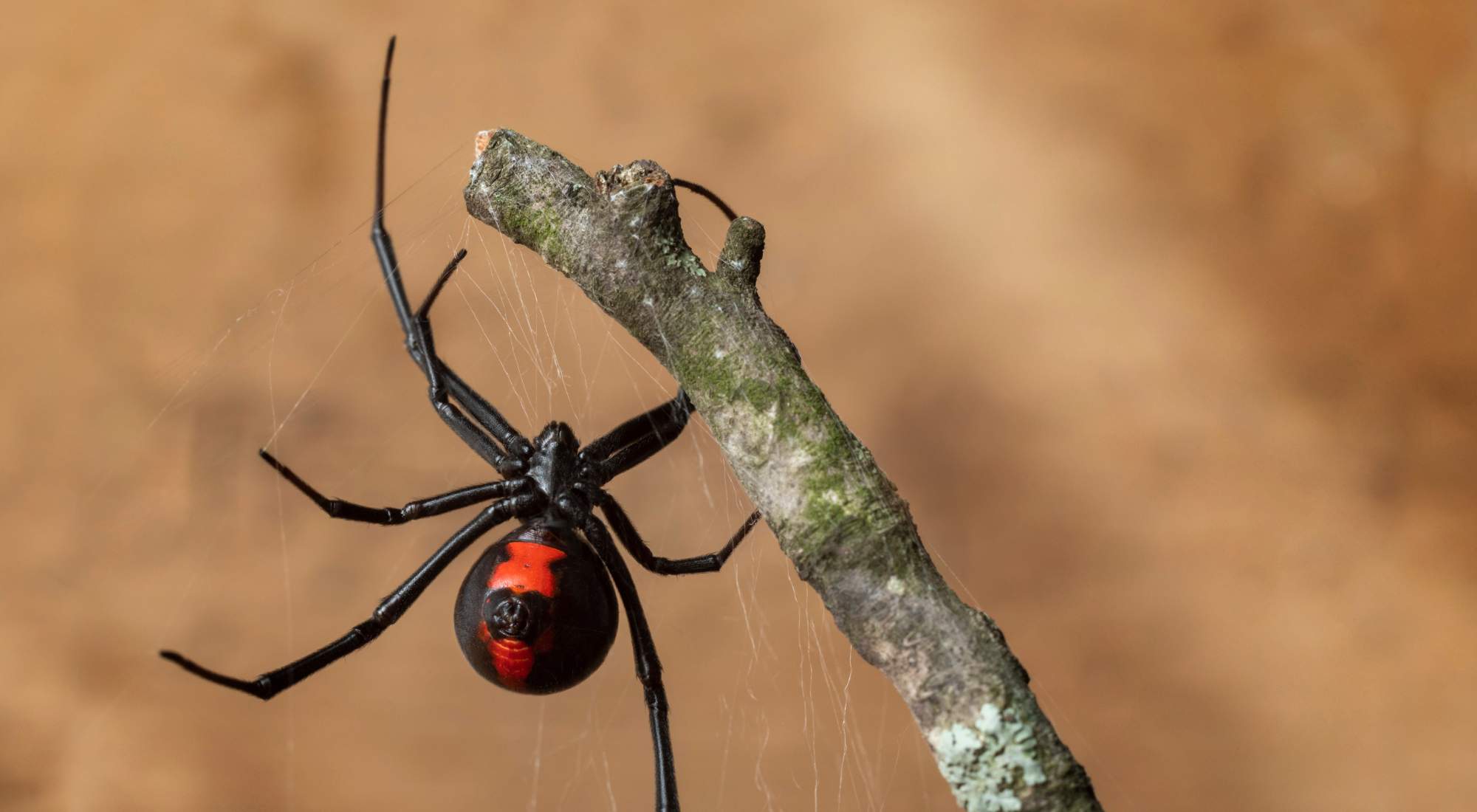
Understanding the various spider species prevalent in the Pacific Northwest can greatly expedite the identification of infestations and enhance the effectiveness of safeguarding your space against these unwelcome intruders.
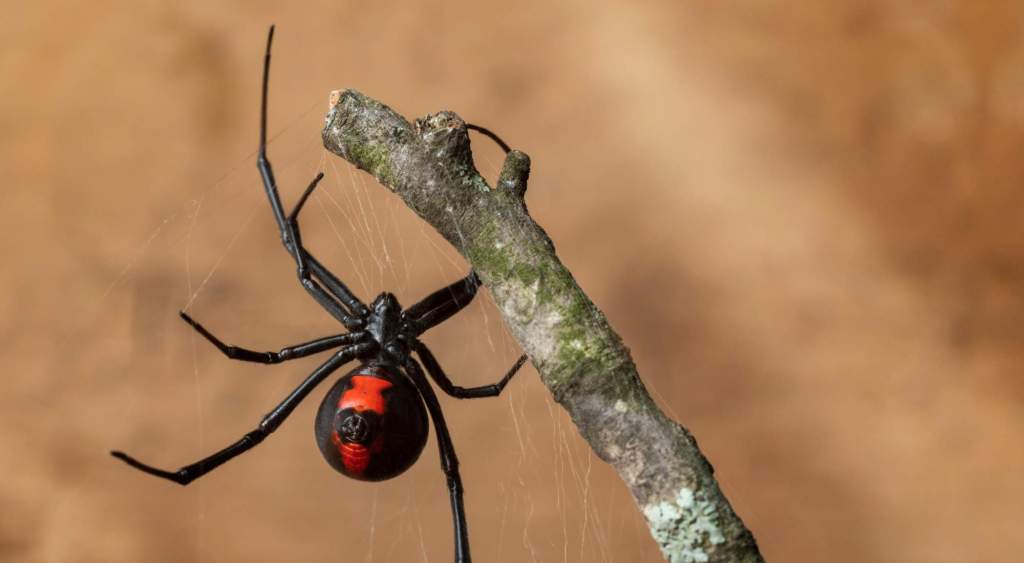
The black widow spider is best known for its glossy jet-black body and the distinctive red or orange hourglass marking on the underside of the female’s abdomen. Adult females are about 1.5 inches long when their legs are extended and have a rounded, bulbous abdomen. Males are much smaller, lighter in color, and may have red or pink markings with striping along the body.
Black widows are shy, nocturnal spiders that prefer dark, undisturbed areas such as garages, sheds, crawl spaces, woodpiles, and outdoor debris. They build irregular, tangled webs close to the ground and typically hang upside down in the web. They aren’t typically aggressive, but they do bite if they feel trapped or threatened, and their bites are venomous, causing pain, muscle cramping, and discomfort, and serious complications, so it’s important to treat them as soon as you notice them.
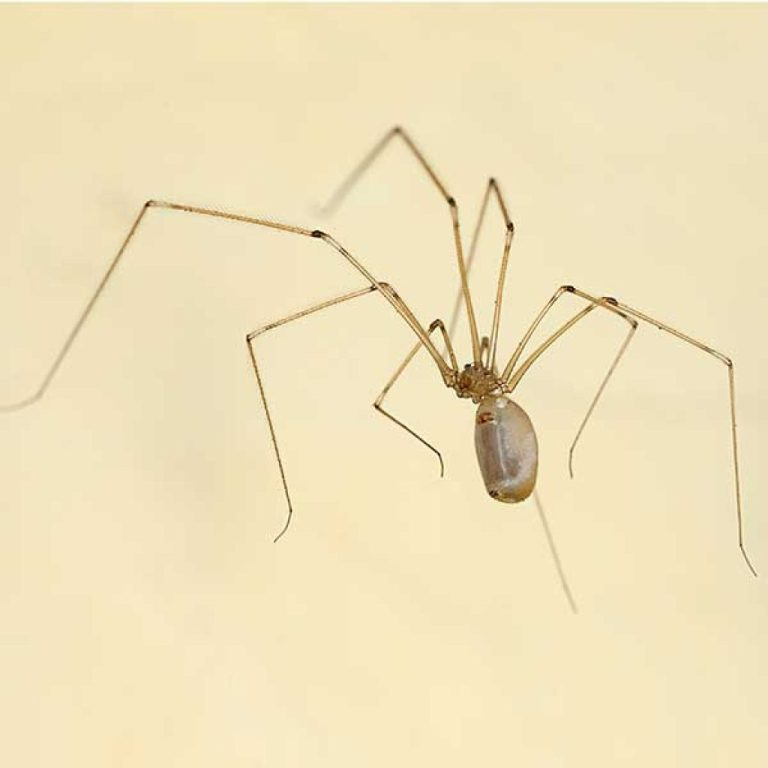
The Cellar Spider is also referred to as Daddy Long Legs.
This Pholcid spider is easily removed by chemical means, as they move their egg sacks with their mouth, and if you treat the egg sacks, they will ingest poison. These spiders hang upside down, preying on insects and spiders in garages, cellars, and other buildings. Legend says the Cellar Spider has the deadliest venom amongst all spiders; this is a myth.
Cellar Spiders’ fangs lack the length to puncture the thickness of normal human skin, and even if they could, their venom would be little more than an annoyance.

The Giant House Spider has a body that covers ¾ inch and legs that span 2 inches. It is very common in the Northwest and was once thought to be venomous, but it has been shown to generally have little to no venom toxicity.
The Giant House Spider can be found in dark corners of rooms, storage sheds, barns, bridges, fences, and other structures. They usually spin webs on window sills and in corners.
The hobo spider, also called the aggressive house spider, is a common spider in the Pacific Northwest.
Outside, the hobo spider will construct a snare or funnel web, which is a trampoline-like, horizontal web constricting back into a funnel or hole. The web is typically found in a crack between bricks or under wood piles, stones, or vegetation. Inside our homes or structures, they build funnel-shaped webs in dark, moist areas such as basements, window wells, and under low-lying furniture.
It is a large (1 to 1¾ inch, including legs), fast-running brown spider with a herringbone or multiple chevron pattern on the top of the abdomen. The hobo spider ranges from the Pacific Northwest to northern Utah, Wyoming, and Colorado, and is more common in eastern Washington.

Jumping spiders are common throughout the Pacific Northwest and are easy to recognize by their compact bodies, short legs, and large forward-facing eyes. Unlike web-building spiders, they rely on excellent vision and powerful hind legs to stalk and pounce on their prey.
Most species you’ll see around homes are small, often black, brown, or gray with subtle striping, and tend to appear on siding, window frames, decks, and sunny exterior walls where insects are active.
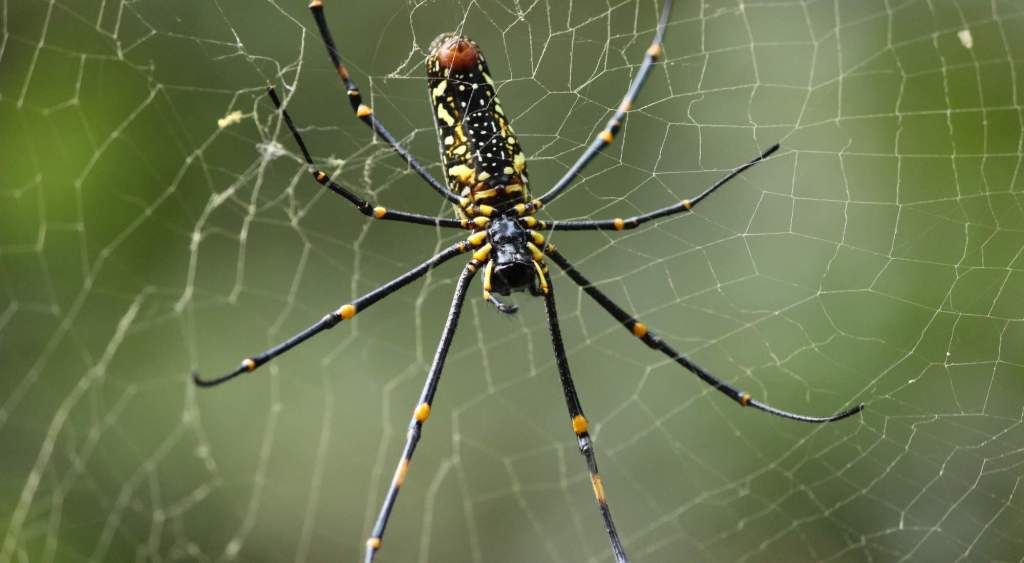
Orb weaver spiders are a familiar sight across the Pacific Northwest, especially in late summer and early fall. They’re known for their large abdomens and the classic wheel-shaped webs they spin between trees, shrubs, porch railings, and rooflines.
Colors vary from brown and orange to yellow and black, and many have distinct markings on their backs. While their size and intricate webs can look intimidating, orb weavers are generally non-aggressive and prefer to stay outdoors where flying insects are abundant.
However, they can still be a nuisance because they rebuild their webs frequently, leading to repeated webbing around entryways, patios, and outdoor lighting.
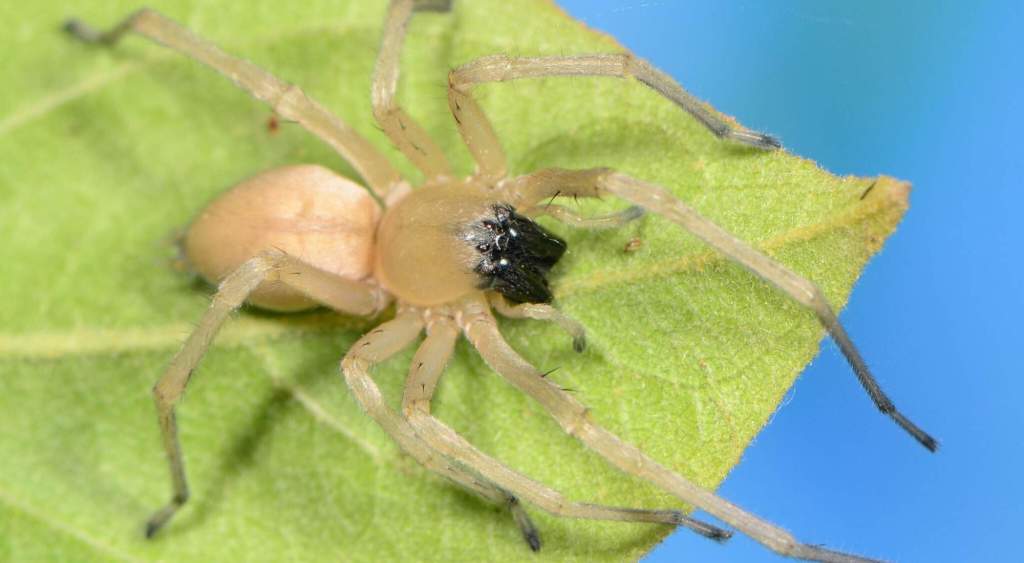
Sac spiders are often noticed indoors because of their wandering behavior. They’re typically pale yellow, light tan, or cream colored with slightly darker mouthparts and long, slender legs.
Unlike web-building spiders, sac spiders do not spin large, visible webs to catch prey. Instead, they create small silk “sacs” in corners, along ceilings, behind wall decor, or where walls and ceilings meet, using them as daytime resting spots before emerging at night to hunt insects.
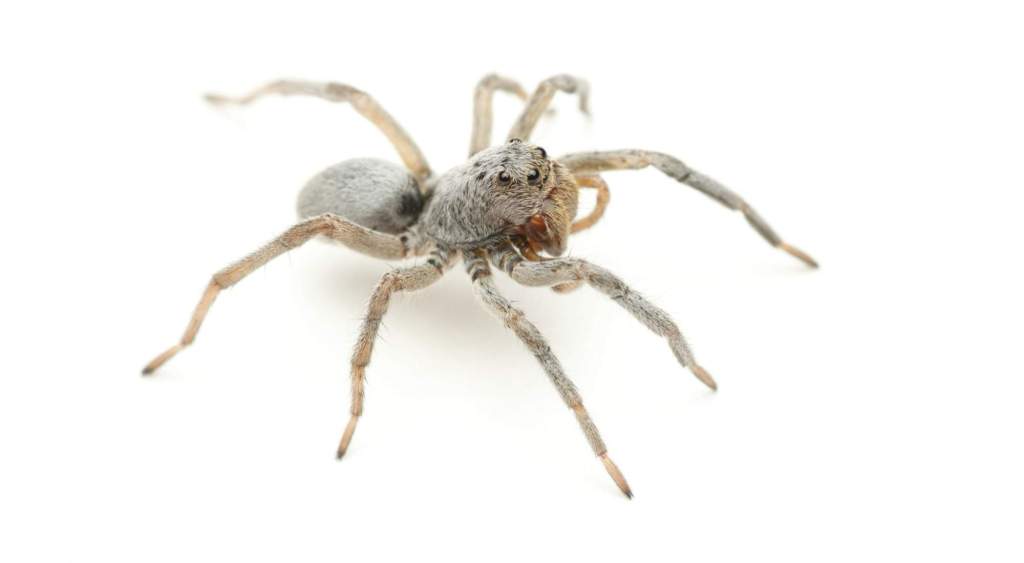
Wolf spiders are among the larger ground-dwelling spiders found in the Pacific Northwest. They’re typically brown, gray, or dark tan with subtle striping that helps them blend into soil, mulch, and leaf litter.
Unlike web-building spiders, wolf spiders are active hunters with strong legs and excellent vision. They don’t spin webs to catch prey; instead, they roam at night searching for insects.
One unique trait is that females carry their egg sacs attached to the back of their abdomen, and after hatching, the spiderlings ride on the mother’s back for a short time.
If you’re experiencing a serious spider infestation in your home or business and want it taken care of immediately, contact your local spider exterminator, Antworks.
We’re highly experienced in all pests in the Portland, OR, and Vancouver, WA area, including spiders. We’ll quickly identify which type of spider you have and properly treat it, safely and effectively.
We use eco-friendly pest control techniques to help ensure your family and pets are all protected.
Call us today for quality spider extermination services.
Some ways you can proactively prevent spiders from taking over your home or property include:
Our experienced team will gladly walk you through preventive measures as part of your treatment.
First, finding spiders doesn’t mean your home is dirty; even the most well-kept homes can experience spider activity if insects are present or if small gaps around doors, windows, and foundation allow entry.
A sudden spike in activity usually means there’s an available food source nearby. Spiders follow insects, so if ants, flies, or other small pests are present, spiders won’t be far behind.
Seasonal changes, especially late summer and fall, can also drive spiders indoors as temperatures shift.
Yes, we can provide comprehensive treatment for any and all pests causing problems at your home or business. During your initial assessment, your experienced technician will go over any pest activity that’s seen around your property.