
Mouse Exterminator Serving Portland and Vancouver
Mice don’t take a season off here in the Pacific Northwest. They just sneak indoors when it gets cold, squeezing through gaps smaller than a dime. They breed quickly, so a single pair can produce dozens of offspring in a few short months. Once mice settle into your walls or attic, they chew through wiring, insulation, and food, leaving droppings and damage behind that can affect your family’s health and your home’s safety.
At Antworks Pest Control, we know how stressful a mouse problem can be, so we make getting rid of them simple. Our experienced technicians determine how they’re getting in, remove the current population, and install barriers to keep new mice from moving in. Treatment plans are honest and budget-friendly, and you’ll never get locked into a long-term contract.

Signs You May Have a Mouse Infestation
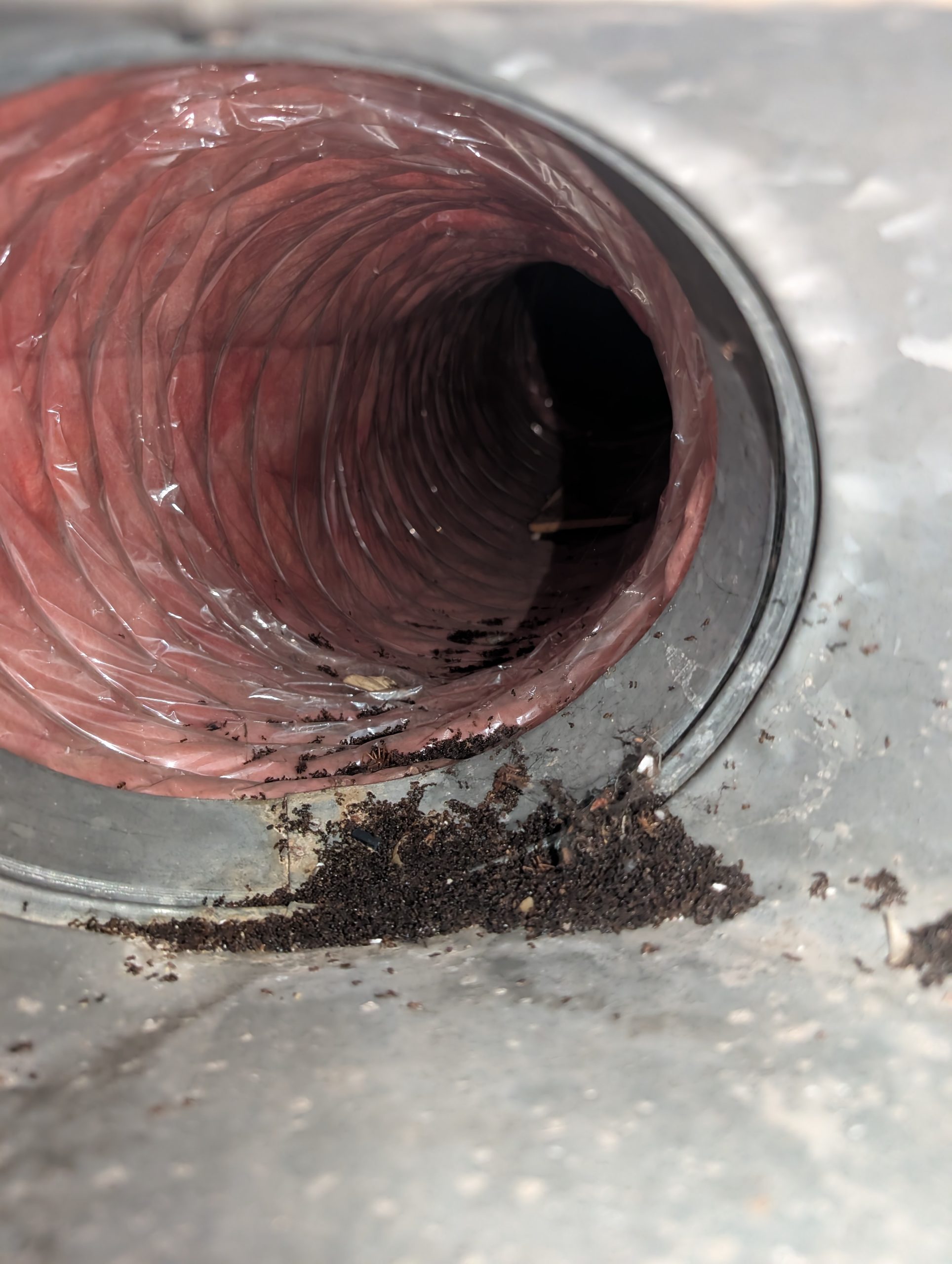
- Small, dark droppings near food packages, cabinets, or along baseboards
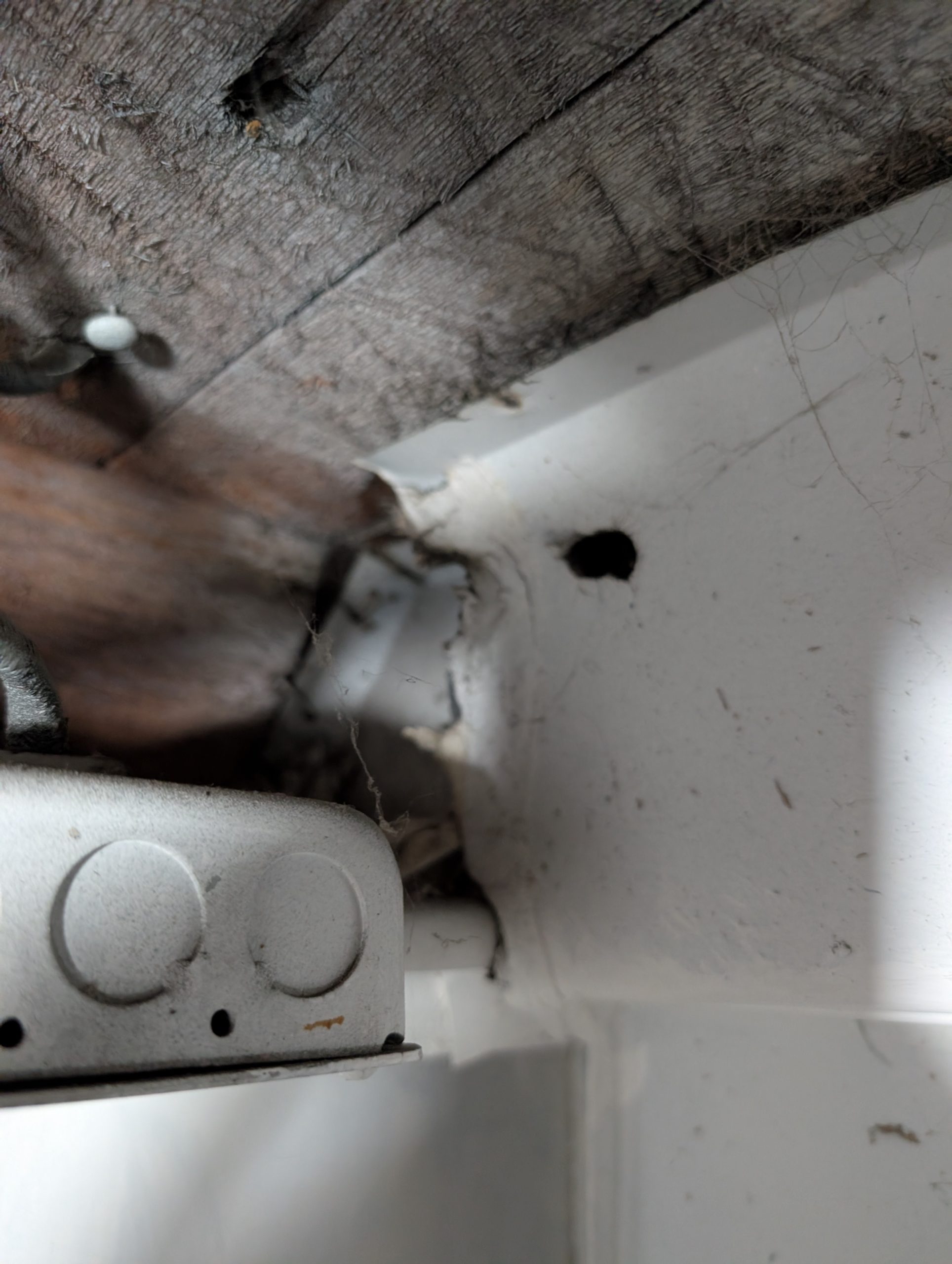
- Gnaw marks on wood, wiring, food containers, or furniture
- Greasy smudge marks along walls and floors where mice travel repeatedly
- Scratching or scurrying sounds in walls, ceilings, or under floors, especially at night
- A strong, musky odor in enclosed spaces like closets or under sinks
- Shredded paper, fabric, or insulation used to build nests
- Pet behavior changes, like cats or dogs pawing at walls or appliances
- Flickering lights or appliances that suddenly stop working, which can point to chewed wiring
- Bars of soap or candles with small bite marks, since mice will nibble on unexpected things
- Small holes in mulch or soil near your foundation that look like tiny burrows
- Tiny holes chewed through the packaging of pantry staples like cereal or pasta
- Faint footprints or tail drag marks in dusty areas like attics or crawl spaces
- Unexplained allergy or asthma flare-ups, since mouse dander and droppings can trigger symptoms


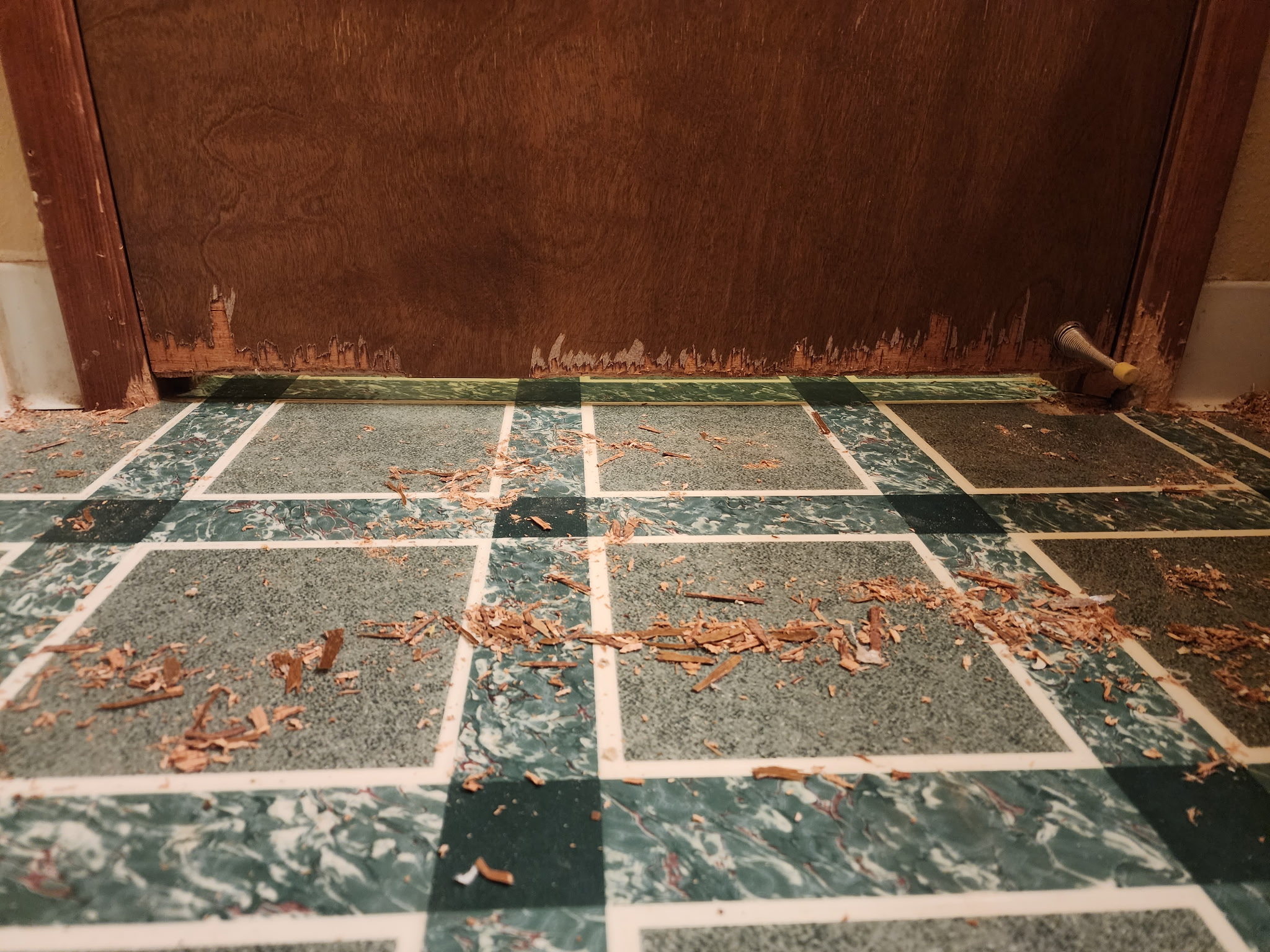
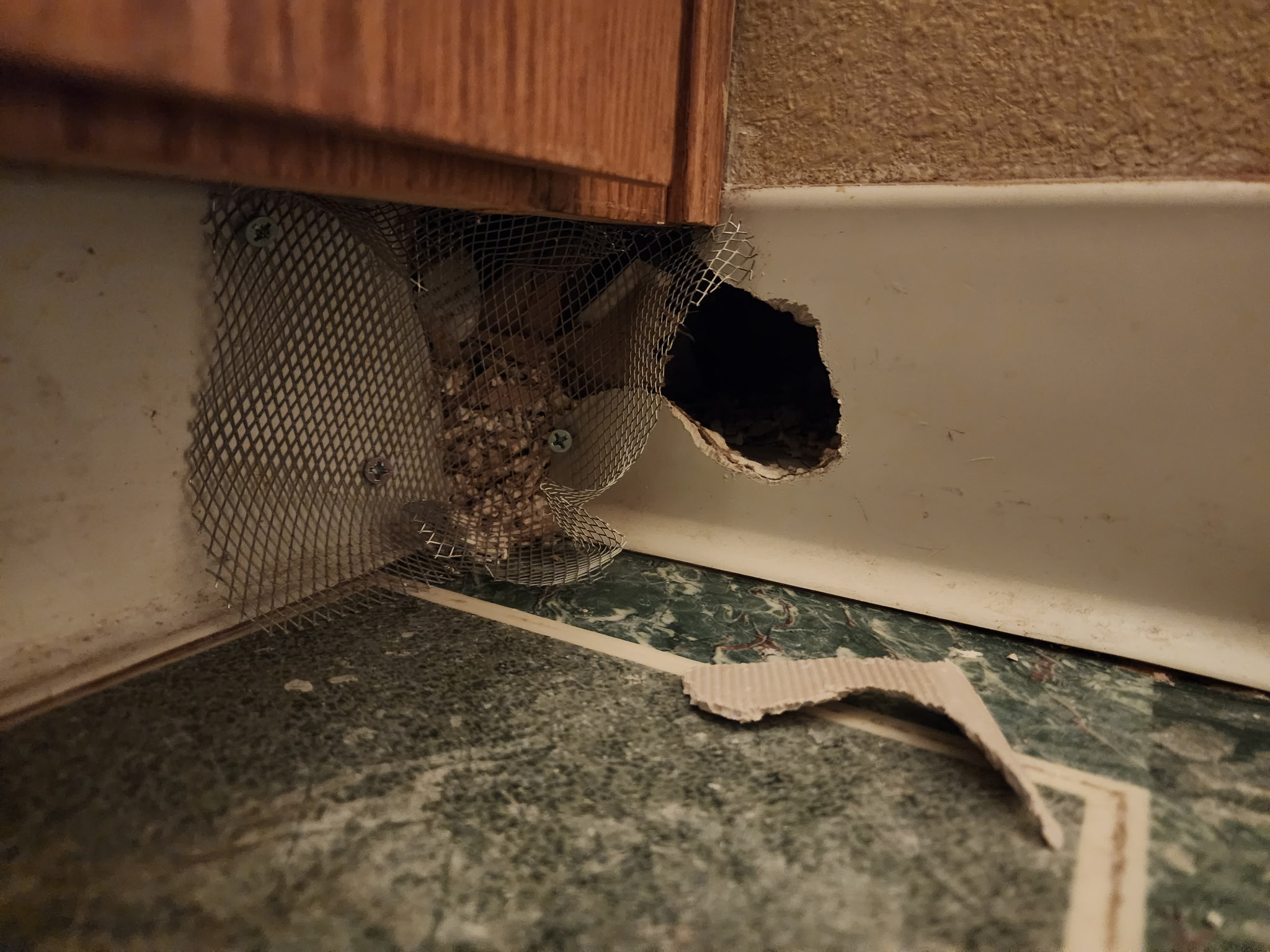

Common Mice in the Pacific Northwest
Understanding the various rodent species prevalent in the Pacific Northwest can greatly expedite the identification of infestations and enhance the effectiveness of safeguarding your space against these unwelcome intruders.
House Mice
What Are House Mice?

House mice can be almost as destructive to a home as Norway or roof rats, as they will chew on and contaminate different areas of the structure. House mice are much smaller proportionally than rats, particularly in the head and feet, and will continually excrete their waste as they move about. The house mouse has a light-colored belly, but their other skin and hair color can vary from light brown all the way to black.
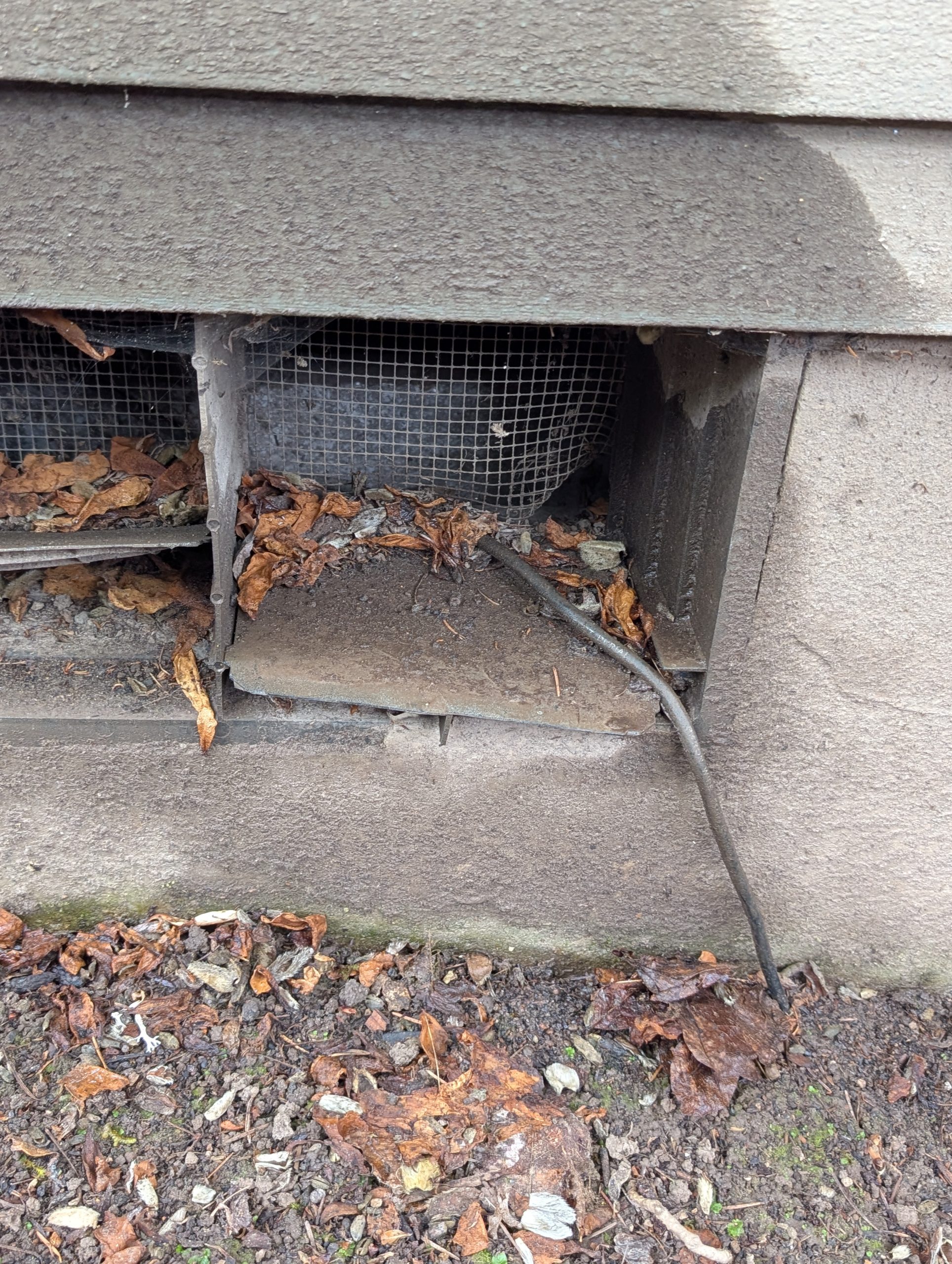
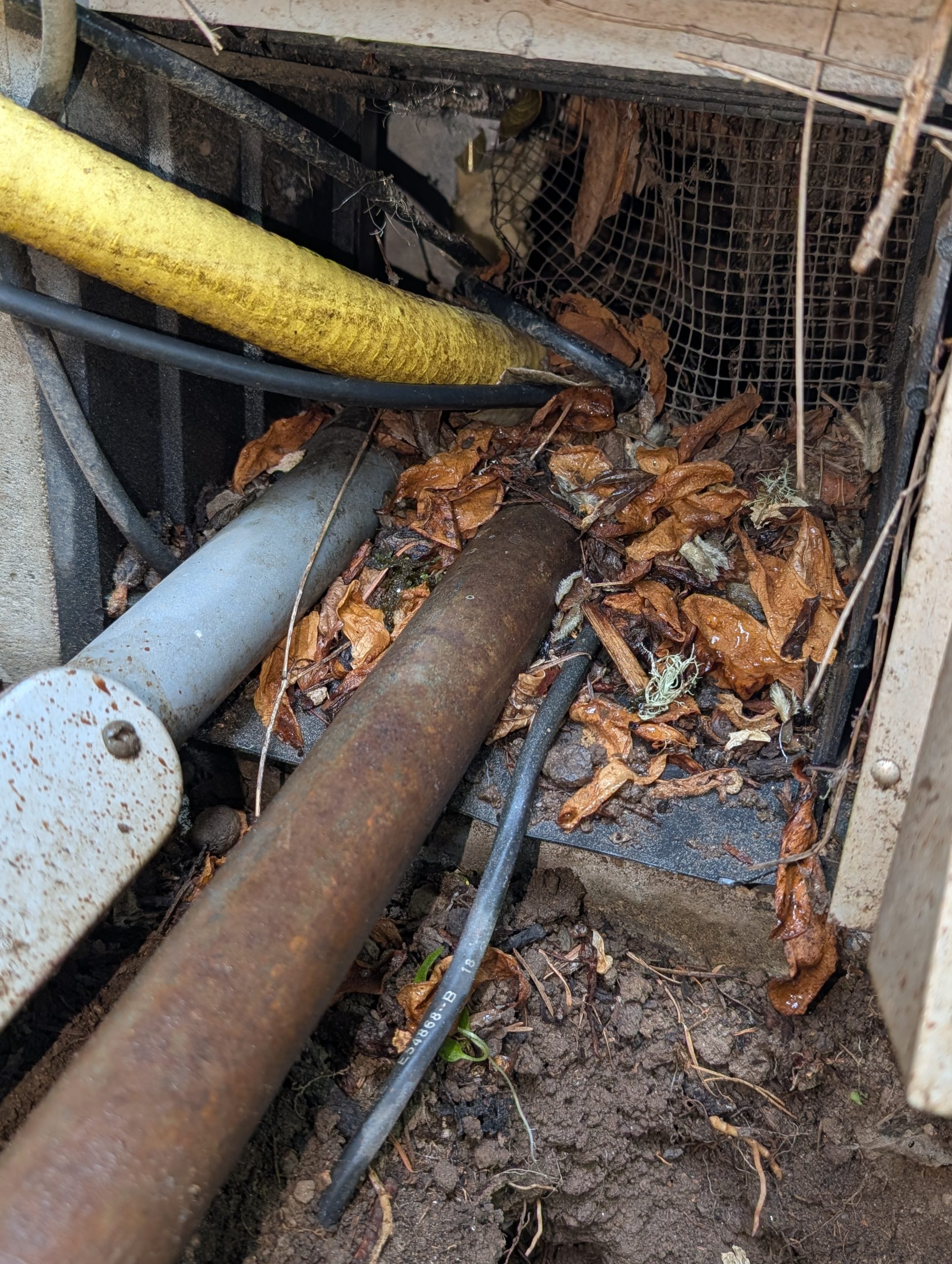
House mice will also reproduce rapidly and are extremely mobile. Because of their smaller frames, house mice can fit into spaces as small as a dime. They will utilize power lines and foliage to gain access to attics and rooftops, and once within a house, will use pipe chases and interior wall voids to move from area to area. House mice will eat just about anything they come across, especially inside a residential environment.
How We Treat House Mice
- Activity inspection: Check for signs of house mice like droppings, gnaw marks, nesting materials, and grease trails along baseboards, inside cabinets, carriages, and wall voids where they like to hide and travel
- Exclusion and habitat correction: Close off small gaps around doors, utility lines, vents, and foundations, and reduce accessible food and clutter that attract mice indoors
- Targeted removal: Traps and professional control methods are strategically placed along areas where they like to hide and nest, and continue to monitor until the infestation is fully resolved
Deer Mouse
What Are Deer Mice?

Often encountered outdoors, deer mice may seek shelter indoors during cold weather. These mice are known for their agility, excelling in jumping and running, and are typically distinguished by their brown-to-gray fur, a white underbelly, large dark eyes, and a slender, bicolored tail.
Deer mice are usually nocturnal, agile climbers, and commonly nest in rural or wooded areas, sheds, and outbuildings where they can forage for seeds and insects.
How We Treat Deer Mice
- Site evaluation: Inspect cabins, sheds, garages, crawl spaces, and attic areas for droppings, shredded nesting material, chew damage, and entry points that deer mice use to access structures
- Exclusion and environmental adjustments: Seal off openings around foundations, vents, rooflines, and utility penetrations, and reduce seed sources, stored feed, and exterior harborage near the structure
- Strategic control: Place traps and professional control measures in nesting zones and along travel paths, and continuously monitor to ensure deer mouse activity is completely eliminated
Mouse Removal Cost Options
Initial Treatment
When mice move in, the first step is figuring out exactly how they’re getting inside and shutting that opening for good. Our Initial Treatment combines entry point sealing, strategic trap placement, and bait stations to knock out the current population and keep new mice from following the same path.
Pricing for this targeted service generally ranges from $150 to $ 1,000, depending on your home’s size and how established the infestation is.
We stand behind our work with a warranty, so if mice return during the initial treatment period, we’ll come back and handle it at no additional charge.
Regular Service Program
As temperatures drop in the Pacific Northwest, mice go looking for a warm place to hide out, and homes are their top choice. Our Regular Service Program keeps your property protected all year, so you’re never caught off guard by a new infestation.
Four scheduled visits a year keep mice from gaining a foothold in your home. It takes the pressure off you to reset traps or try store-bought solutions that only offer short-term relief and gives you a plan you can count on season after season.
Intensive Pest Control Plan
Homes in rural or wooded areas tend to see more mouse activity, and once these rodents settle in, they can chew through insulation, wiring, and anything else in their path. Our Intensive Treatment Plan is built for these tougher situations, offering 4 to 6 inspections and treatments throughout the year to keep your home protected.
With visits scheduled every other month, this plan provides layered, ongoing protection that makes it much harder for mice to get back in. It’s the right choice for homeowners who want consistent, hands-on defense against persistent rodent problems.
What determines your mouse extermination estimate?
No two mouse problems look the same, so no two quotes will either. While our plans give you a solid starting point, your final quote within the $150 to $1000 range comes down to a few key factors:
- The Type of Pest: The specific rodent species involved, since treatment methods and materials can vary between house mice, deer mice, and other rodents
- The Area Size: Total square footage of the affected property.
- Infestation Level: How established the mouse population is and how far it has spread.
Ready to start?
Leave your info for a Free Estimate, and we’ll call you back within 30 minutes!
What To Look for When Hiring a Mouse Exterminator
Finding the right rat extermination company matters, especially when an infestation can cause property damage and pose health concerns. Effective rat control requires more than simply removing the rats you can see. Look for a pest control company with the experience, methods, and follow-up services needed to address the infestation and help prevent future activity. Here are a few factors to consider:
- Years of service – How long has the company been serving the community? An established pest control company with experience handling local rat problems may be better equipped to recognize common behaviors, entry points, and nesting locations.
- Reputation – Check online reviews and customer feedback to learn about other homeowners’ experiences. Look for a company known for reliable service, professional technicians, and effective rat control.
- Guarantees – Find out whether the company stands behind its rat control services. Ask what is included in the guarantee, how long it lasts, and whether follow-up treatments are provided if rat activity continues.
- Consultations – A consultation or inspection gives you a chance to discuss your concerns and learn how the company approaches rat infestations. Ask whether technicians will inspect for entry points, nesting areas, and other conditions that could contribute to the problem. money.
If you’re dealing with rats on your property, Antworks Pest Control can help. Our experienced team understands the rat species and conditions common throughout the Pacific Northwest and can recommend an effective approach for eliminating the problem. Contact us today to speak with a rat control professional.
Testimonials

Pest Control Company Getting Rid of Mice in the Pacific Northwest
A family-owned pest control company helping homes and businesses across Portland, Vancouver, and the surrounding Pacific Northwest stay mouse-free. No required contracts, just honest work and lasting results.
Frequently Asked Questions About Mice Removal
Are Mice Common in Vancouver and Portland?
Yes! They are extremely common throughout the PNW, especially as temperatures drop and they look for warm, food-rich places like homes or businesses to move into.
Is It Safe To Clean Up Mouse Droppings Myself?
It’s best to use gloves, a mask, and a disinfectant spray rather than sweeping or vacuuming dry droppings, since they release harmful particles into the air.
Will Getting a Cat Solve My Mouse Problem?
A cat may catch the occasional mouse, but it won’t seal entry points or eliminate an established population, so professional treatment remains the more reliable solution.
Is It Normal To See Mice After Sealing Obvious Entry Points?
Yes, mice are extremely smart and resourceful. They can find or create new openings, which is why a thorough inspection and ongoing prevention are so important.
Is a Mouse Infestation More Likely in Older Homes?
Older homes often have more small gaps and worn entry points, which can make them more vulnerable, but newer homes aren’t immune either. A mouse can squeeze in through the tiniest crack or hole in the wall.