
Ant Exterminator Serving Portland, OR and Vancouver, WA
Here in the Pacific Northwest, ants are a year-round problem. These pests are constantly migrating and developing new colonies, which can grow to contain anywhere from 300,000 to 500,000 individual members. Once an infestation takes hold, it can be very difficult to get rid of ants in your home. And, a large infestation isn’t just unsightly; these pests can also contaminate your foods and even cause destruction to your home. That’s why at Antworks Pest Control, we are dedicated to helping you keep ants out of your property. From prevention and protection to effective treatments, our experienced ant exterminators can help you keep these pests out easily and without breaking the bank. You also don’t have to worry about contracts!

Common Ants in the Pacific Northwest
Not all ants are the same. Understanding the unique biology and characteristics of the different species in your areas can help you develop a great control strategy to prevent or get rid of ants. Here are some of the most common ants in the Pacific Northwest to look out for:
- Carpenter ants are one of the largest species of ants in the United States. These pests build nests in damp or damaged wood, which can cause significant damage.
- Moisture ants are drawn to damp and damaged wood. Infestations could signify that there’s a moisture problem somewhere in your home.
- Odorous house ants are very common, and they’re often found hiding in small cracks and crevices. They’re also known as sugar ants because they feast on sweet foods.
- Velvety tree ants primarily live outdoors, and they can be identified by the small hairs all over their body. These pests can deliver a painful but generally harmless bite.
- Pharaoh ants are known for their large colonies, which are very difficult to eradicate. These pests are often found in inaccessible areas of large buildings like grocery stores.
- Thatching ants have a habit of building large and unsightly nests outdoors using a mixture of pine needles, twigs, and other organic debris. Infestations can grow large and be difficult to get rid of.
The experts at Antworks Pest Control can help with ant control and recommend the best solution for your ant problem.
Types of ants we get rid of in the Portland & Vancouver area
Comprehensive identification and treatment strategies for common Pacific Northwest ant species.
Moisture Ants
What are moisture ants?

A catch-all term for 133 species in the genus Lasius. They are much smaller than carpenter ants and nest exclusively in damp or rotting wood.
Unlike other wood-destroying pests, they will not spread into dry wood. They often build unique tunnels made of a “cardboard” paste of wood shavings and honeydew.
How we treat them
- Source Control: Fix leaks and remove damp wood immediately to stop nesting.
- Exclusion: Seal utility pipe entrances and wall penetrations.
- Elimination: We utilize specialized wood injection and monitoring to ensure the colony is fully removed.
Carpenter Ants
What are carpenter ants?
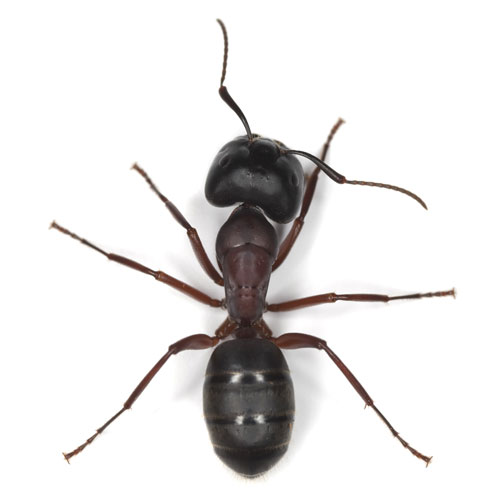
Wood-destroying insects that can collapse wall supports. They don’t eat wood; they excavate it to create galleries for their colonies.
Identification: Look for “kick-holes” and sawdust-like “frass”. They start in damp wood but can eventually tunnel through dry, hard wood.
How we treat them
- Satellite Detection: We identify both the parent colony and satellite nests to prevent re-infestation.
- Targeted Injection: Direct wood injection into galleries.
- Barriers: Non-repellent perimeter barriers to stop foraging workers.
Odorous House Ants
What are odorous house ants?
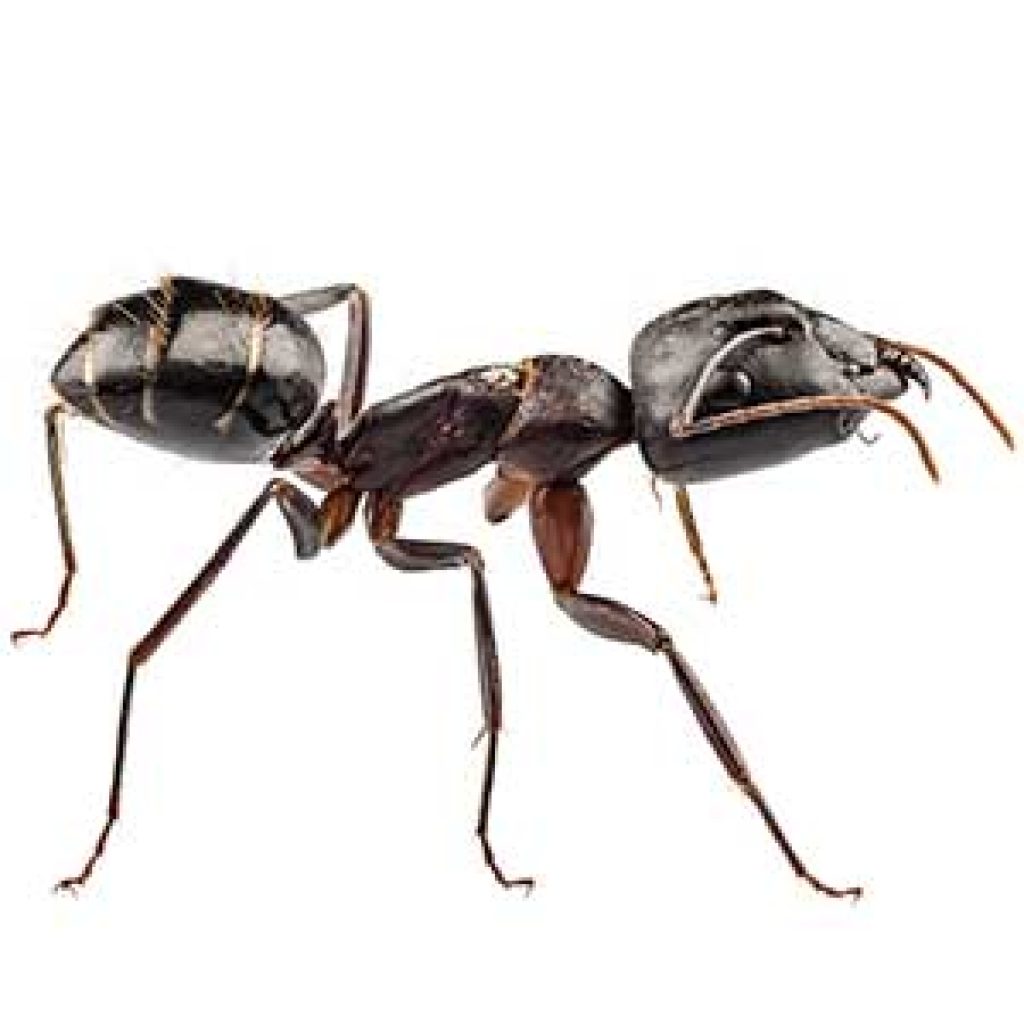
The most bothersome nuisance pest in our region. They release a coconut-like smell when crushed and move erratically when threatened.
They nest anywhere from insulation and electronics to attics and crawlspaces. They often protect aphids to harvest honeydew as a food source.
Our 5-Step Control Process
- Inspection: Locating nesting sites and conducive conditions.
- Treatment: Wall void injections and non-repellent baits.
- Patience: Avoiding DIY sprays that cause “budding.”
- Follow-up: Assessing treatment and making adjustments.
- Ongoing: Quarterly inspections to catch new colonies early.
Pharaoh Ants
What are pharaoh ants?
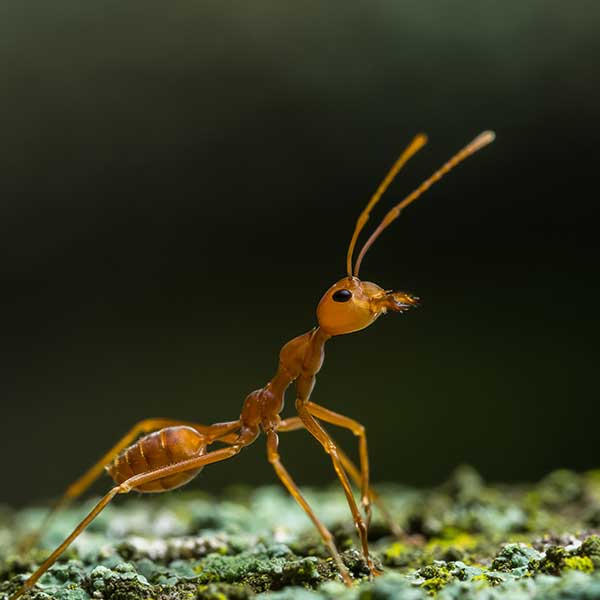
Tiny, light yellow ants that breed continuously in heated buildings like hotels and apartments. They communicate via complex pheromone signals.
Unique Damage: Beyond food contamination, they are known to damage silk, rayon, and rubber goods.
How we treat them
Because they are prone to “splintering” (splitting the colony), we never use repellent sprays. Instead, we utilize specialized baiting strategies that the workers carry back to the inaccessible nesting sites.
Pavement Ants
What are pavement ants?
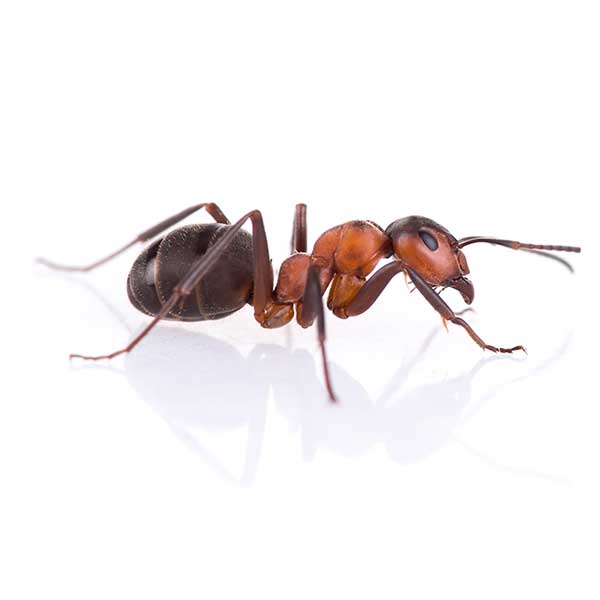
A “tramp ant” species that nests under sidewalks and foundations. They gravitate toward heat sources, often moving indoors during winter.
Winter Signs: Winged reproductive females often fly around lights. They scavenge for meats, grease, bread, and sweets.
How we treat them
- Sub-slab Injection: Reaching colonies located deep under concrete foundations.
- Queen Contact: We use products designed to reach the queen; if only workers die, the colony will simply produce more.
- Gel Baits: Targeted interior baiting for active trails.
Thatching Ants
What are thatching ants?
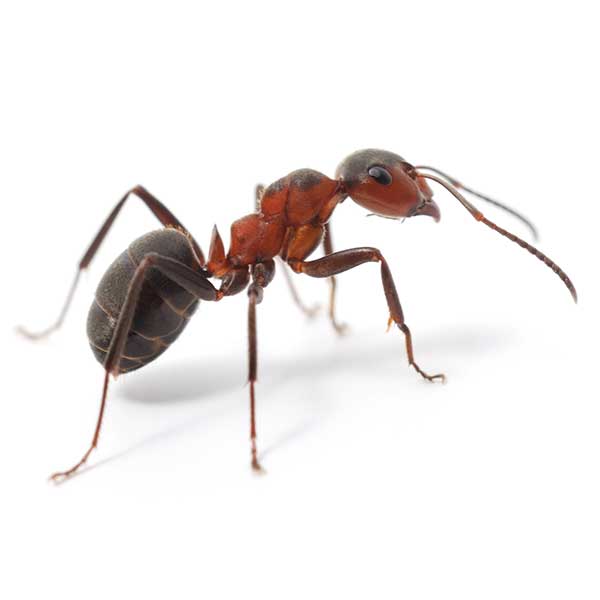
Red and black “mound ants” that build large debris piles. They are aggressive and deliver a painful bite followed by a spray of formic acid.
Yard Impact: They destroy fruit tree buds and seedlings. Nests can reach up to four feet deep into the soil.
How we treat them
- Deep Infiltration: Applying pesticide deep within the mound to reach the heart of the colony.
- Safety First: Our pros use proper safety gear to avoid bites and acid spray during treatment.
- Prevention: We advise on yard grooming and woodpile organization to make your property less inviting.
Velvety Tree Ants
What are velvety tree ants?
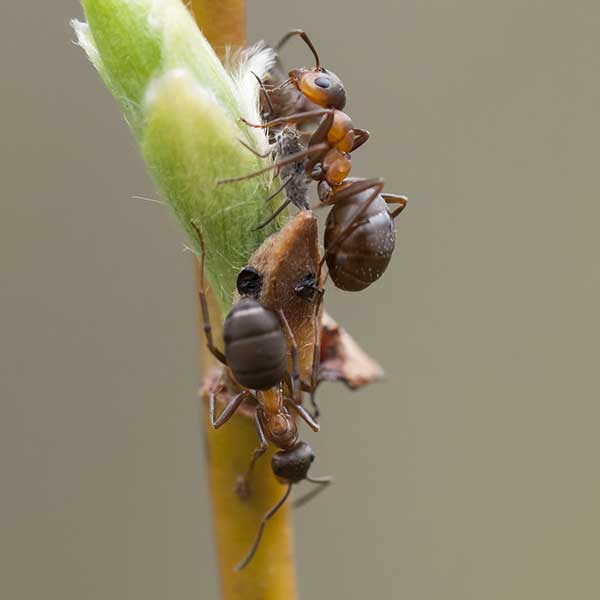
Commonly found from Mexico to Washington, these ants have abdomens covered in fine hairs. They excavate wood similarly to carpenter ants.
They are likely “polydomous,” meaning a single colony may sustain multiple nests at once, making them difficult to fully eradicate without professional help.
How we treat them
- Tree Maintenance: Removing dead stumps and trees around the property.
- Wall Void Injection: Identifying and treating nests hidden within the structure.
- Moisture Control: Fixing leaks to eliminate the damp wood they prefer for nesting.
Our Professional Method
How Our Ant Extermination Process Works
A specialized 7-step system built for the unique behavior of Pacific Northwest ants.
1
Moisture Inspection
We start by inspecting for ant activity and conditions that attract pestsfocusing treatments where ants commonly nest and travel, especially around plumbing fixtures.
2
Wall-Void Injections
Instead of just exterior sprays, we inject specialized material into wall voids near sinks and moisture sources. Ants contact this and spread it through the entire colony.
3
Cabinet & Drawer Targeting
Because odorous house ants have multiple queens and satellite nests, we target high-probability zones under cabinets and drawers identified during our inspection.
4
High-Humidity Areas
We apply the same strategy to toilets, vanities, and showers. This procedure is safe for pets and humans while providing a longer-lasting effect than standard sprays.
5
Exterior Perimeter
We perform wall-void injections on the outside of your home, placed discreetly at foundation level or under shingles to protect the material from rain and UV light.
6
Strategic Baiting
When necessary, we place out-of-sight gel or granular bait. Ants carry this back to the colony, ensuring the source is exterminated, not just the foragers.
Our goal is colony elimination, not just killing the ants you see today. Because we use materials that ants must carry back to their nest, you may actually see more activity immediately following the treatment. Don't be alarmed this means the process is working and the colony is being reached.
Ant Removal Pricing Options
Initial Treatment
Our Initial Treatment is designed to locate the source of your ant infestation and obliterate it immediately. Whether you’re dealing with sugar ants in the kitchen or carpenter ants in the walls, we use professional-grade methods that go beyond over-the-counter fixes.
This targeted service typically ranges from $150 to $1,000 depending on the area size and degree of infestation. We guarantee the pests will be gone, or we’ll come back at no cost during your warranty period.
Our methods for eliminating these pests are so effective, we guarantee that pest will be gone with an Initial Treatment–or we’ll come back at no cost within your warranty period!
Regular Service Program
Ants can reappear practically overnight, especially in the Pacific Northwest. Our Regular Service Program eliminates the frustration of recurring infestations by providing year-round protection.
By performing four treatments a year, we ensure that sugar ants and other local pests stay out of your home for good. This is the most cost-effective way to save time, food, and the headache of self-help measures that often fail.
This extended general pest treatment plan is the best way to ensure your house is pest-free and protected against future pest problems.
Our Most Intensive Plan
For properties in rural areas or those facing severe carpenter ant threats, our Intensive Plan offers maximum defense. Carpenter ants can wreak structural damage if left unchecked; this plan provides 4–6 comprehensive inspections and treatments per year to ensure your building’s integrity.
By treating your structure every two months, we provide a high-strength barrier that even the most stubborn colonies cannot penetrate. This treatment plan is ideal for customers who need a more comprehensive treatment regimen.
What determines your specific estimate?
While our plans provide a structured approach, your final quote within the $150–$1,000 range is based on:
- The Type of Ant: Specialized treatments for wood-destroying vs. nuisance ants.
- The Area Size: Total square footage of the affected property.
- Infestation Level: The depth and reach of the current colony.
Ready to start?
Leave your info for a Free Estimate and we’ll call you back within 30 minutes!
What to Look for When Hiring an Ant Exterminator
Choosing an ant exterminator can be difficult. The last thing you want is to spend time and money on extermination services, and still not have your pest problem resolved. That’s why you want to make sure you are working with qualified professionals who have the tools and experience needed to deliver excellent results. To help you find a great service, here are a few things to consider when choosing an ant exterminator:
- Years of service. How many years has the company been in business? Has the ownership changed since then? Is the name of the company familiar in a community? Is it family-owned or a chain business?
- Reputation. What do other people have to say about the ant control company? Are reviews online favorable? Do people refer their services to others?
- Guarantees. Does the company offer any type of guarantee concerning the services it provides? Is it given in writing? What is the company’s success rate? Do they take all the preventative measures necessary to keep ants from entering a property again?
- Consultations. To get a feel for the ant extermination company beforehand, see if they offer a free consultation. This allows you to speak with the technicians before making a purchase, so you’ll have a better idea of what their services are like before spending any money.
If you notice ants on your property, don’t hesitate to contact the experts at Antworks Pest Control! Our knowledgeable team has extensive experience with all of the species in the Pacific Northwest, so we can help you identify and eradicate the ants quickly and easily. Just give us a call to speak with an expert today!
Testimonials

Frequently Asked Questions on Ant Removal
How can I prevent ants from entering my home?
Prevention starts with eliminating what attracts ants: food, water, and shelter. Store all food (including pet food) in airtight, hard plastic containers and ensure garbage cans are tightly closed. Fix any leaking pipes or faucets immediately, as moisture attracts pests like carpenter ants. Keep surfaces like counters and floors wiped down regularly. Inspect your home’s foundation, windowsills, and door frames for cracks or gaps, and seal these entry points. Finally, keep grass, weeds, and vegetation trimmed away from your home’s foundation to remove “ant highways.”
Where are ants coming from?
Since ants are so small, they can enter through the tiniest cracks and gaps in your home’s exterior. Common entry points include: under doors, between seams in the foundation, and through gaps around pipes, vents, or electrical outlets.
Why do I suddenly have an ant infestation in my home?
Ants enter homes in search of three basic survival needs: food, water, and shelter. They are particularly drawn to sugary or protein-rich foods, pet food left uncovered, and even small spills or leaking pipes. Once a “scout” ant finds a resource, it leaves a scented pheromone trail that leads the rest of the colony directly into your living space. Environmental factors, such as extremely dry weather or heavy rain, can also drive ants indoors as they search for moisture or drier conditions.
Do I have an ant problem?
If you see a few ants occasionally, it may not seem like a big deal. But remember that ants are social animals that live in large groups. The ants that you see are only a small percentage of the total colony. Even a few “scout” ants can be a warning sign, as they are often searching for food sources to lead the rest of their colony into your home.
Will ants go away on their own?
Ants are entering your home for a reason, so they’re unlikely to go away on their own. To get rid of ants you’ll need to either eliminate what’s attracting them (remove their access to food and water) or seal up your home to make it impossible for ants to enter.
I see an ant trail in my kitchen; what should I do?
If you spot a trail, you can use it to your advantage or eliminate it to stop the flow. One method is to use an over-the-counter pesticide containing boric acid, which ants carry back to the nest to eliminate the colony. If you prefer a non-chemical approach, you can erase the chemical scent trail by wiping down the area with soapy water or vinegar. However, if the infestation persists or feels overwhelming, it’s best to call a professional exterminator who can identify the source and provide a long-term solution.
When should I call a professional for an ant problem?
While DIY prevention is a great first step, some infestations are too persistent or deep-seated to handle alone. You should contact a professional if you have a recurring problem that won’t go away or if you are overwhelmed by the scale of the infestation. Professional exterminators use more effective, safer treatments than over-the-counter products and can identify the specific species and entry points to ensure the ants are eliminated for good.
Why should I hire a professional instead of using over-the-counter pesticides?
While DIY pesticides are available at hardware stores, they are often less effective than professional-grade solutions and can be hazardous if not used correctly around children and pets. Professional exterminators are trained to apply treatments safely and can identify the root of the problem rather than just treating the ants you see. Since it only takes a single invader to start a full infestation, professional expertise ensures the entire colony is eradicated and your home remains protected.
What is "budding," and why is it a risk with fall ant treatments?
If you use the wrong store-bought products in the fall, you risk a process called “budding.” This happens when a colony feels threatened and splits into multiple, separate infestations to ensure survival. Professional treatment is recommended in the fall to ensure the entire colony is addressed without causing it to spread.
Why do ants suddenly appear in my house every spring?
Ants are ectothermic, meaning they slow down or enter a hibernation-like state called “diapause” during the winter. As the weather warms in spring, they “wake up” voraciously hungry. Because they’ve burned through their food stores, they immediately scout for new sources of nutrition and moisture, which often leads them straight into your kitchen.
What is the best way to prevent a spring ant infestation?
The most critical step is deep cleaning. Since ants are desperately seeking food to restart their colonies, even tiny crumbs or spilled pet food can attract them. Pay special attention to the kitchen and pet feeding areas, and try to seal any exterior openings before the spring “scouting” begins.
Why does ant activity seem to peak during the summer months?
As temperatures rise, ants become more active to sustain their growing colonies. Additionally, summer rainstorms can flood outdoor nests, forcing ants to seek refuge in drier environments—like your home. Once a few ants find a way in, they leave pheromone trails that act as a map for the rest of the colony to follow.
How can I keep ants away from my home during summer outdoor activities?
Summer BBQs and picnics often leave behind crumbs and spills that act as beacons for ants. To deter them, keep vegetation trimmed away from your home’s perimeter to remove “ant highways,” and ensure all outdoor dining areas are cleaned promptly after use.
Why am I seeing ants in the fall when they are supposed to disappear?
Fall ant activity is usually driven by two things: heavy rain and a changing diet. As plants die back, the “honeydew” (produced by aphids) that ants rely on disappears, forcing them to find new food sources. Simultaneously, heavy fall rains push them toward “higher ground” inside your climate-controlled home to avoid flooding.
Are ants really a problem during the cold winter months?
In mild climates like the Pacific Northwest, ants don’t always go into full hibernation. Many species, such as Odorous House Ants and Pharaoh Ants, will seek the warmth of your home to stay active year-round. Because your home is climate-controlled, they can continue to thrive even while it’s freezing outside.
Which ants are the most dangerous to have in my home during winter?
Carpenter ants are the most destructive winter guests. While other ants are just a nuisance, carpenter ants burrow into the wooden structures of your home to create nests. Because they can remain active indoors throughout the winter, they can cause significant, costly structural damage before you even realize they are there.
Can ants actually damage the structure of my house?
Yes, specifically carpenter ants. In their natural environment, these ants are essential for speeding up the decomposition of dead wood to provide nutrients for the soil. However, when they move into a residential area, they often target wooden beams and structures, treating your home like a decomposing forest tree. If you suspect an infestation, it is recommended to consult a professional exterminator immediately to prevent the problem from worsening.
Why are ants attracted to my home if they serve a purpose in nature?
While ants act as nature’s janitors by decomposing organic waste and dead wood in forests, they cannot differentiate between a fallen tree and the wooden structures of your residence. This means species like carpenter ants may begin breaking down the wood in your home just as they would in the wild, leading to potential structural damage if left unchecked.
How can I tell if I have an ant infestation in my home?
While seeing a trail of ants is the most obvious sign, there are several other indicators that you might have a larger problem. Look for ant colonies near your home’s exterior, as ants often travel long distances from their nest to find food. Additionally, if you hear unusual rustling sounds in your walls at night or find unexplained piles of wood shavings, you may be dealing with carpenter ants that are excavating wood to build their nests.
Are ants dangerous to have in my house?
While most ants do not carry diseases like other pests, they can still contaminate your food and potentially transport food-borne illnesses such as Salmonella. The most significant danger comes from carpenter ants, which are wood-destroying pests that can cause thousands of dollars in structural damage through their excavating behavior.
How can I get rid of ants without killing my grass?
Many standard insecticides and DIY “hacks” like boiling water or vinegar can severely damage or dry out your lawn. To protect your grass, use eco-friendly methods such as raking mounds early to disturb nests, applying food-grade diatomaceous earth, or using targeted baits that avoid broad chemical coverage. For the best results without the risk of brown spots or grass loss, a professional treatment can ensure the colony is eliminated while keeping your lawn lush and healthy.
Are ants actually bad for my lawn, or should I leave them alone?
While ants provide some benefits like natural soil aeration and pest control, large mounds can become unsightly, harden over time, and eventually smother your grass. If you start seeing multiple mounds or if the ants are becoming a nuisance to your family and pets, it is time to take action. A professional can help you evaluate the level of activity in your yard and provide a balanced solution that maintains the health of your ecosystem while removing the frustration of an infestation.